CTVET
About CTVET
Posts by CTVET :














SPEECH BY THE DIRECTOR GENERAL OF THE COMMISSION FOR TECHNICAL AND VOCATIONAL EDUCATION AND TRAINING (CTVET), MR ZAKARIA SULEMANA AT THE MATRICULATION CEREMONY OF THE NATIONAL APPRENTICESHIP PROGRAMME
Distinguished Minister for Youth Development and Empowerment- Hon George Opare-Addo,
The Chief Executive Officer of the National Youth Authority- Mr. Osman Abdulai Ayariga,
Our esteemed Master Craft Persons and their apprentices,
Distinguished invited guests,
Ladies and gentlemen,
Good morning to you all.
Distinguished Minister for Youth Development and Empowerment, Hon. George Opare-Addo,
Chief Executive Officer of the National Youth Authority, Mr. Osman Abdulai Ayariga,
Our esteemed Master Craft Persons and their apprentices,
Distinguished invited guests, ladies and gentlemen,
Good morning.
It is a great honour to address you today at this important matriculation ceremony, which marks another bold step in Ghana’s journey towards skills development and youth empowerment. Today is not just an event—it is a commitment to building a stronger, more resilient economy by investing in the talents and aspirations of our young people.
The National Apprenticeship Programme is one of the most ambitious initiatives in recent years to address youth unemployment and close the skills gap. Its model, grounded in the Competency-Based Training (CBT) approach of CTVET—thirty percent classroom learning and seventy percent workplace training—ensures that learners graduate with both knowledge and practical experience. This balance is what will make them truly ready for the world of work.
I must commend the National Youth Authority (NYA) for its outstanding collaboration with CTVET. By aligning with the Education Regulatory Bodies Act, 2020 (Act 1023), the NYA has shown exemplary leadership in ensuring that this programme delivers quality, progression, and recognition. On behalf of CTVET, I extend heartfelt appreciation to the Minister for Youth Development and Empowerment, and to the CEO of NYA, for your vision and commitment.
To our Master Craft Persons and apprentices, I say congratulations. You are the backbone of this initiative. To our apprentices especially—by joining this programme, you are investing in your future. The certificates you will earn are not just documents; they are passports to opportunity, empowerment, and independence.
One of the most remarkable features of this programme is its inclusivity. Even those who have never been to school can now progress through the National TVET Qualifications Framework—from National Proficiency I, to National Certificate II, the Higher National Diploma, and even up to the Doctor of Technology level. This ensures that no Ghanaian is left behind. Skills, not circumstances, will determine how far one can go.
However, as we celebrate, we must also face a serious concern: some TVET institutions continue to operate outside the Commission’s regulatory framework. This puts learners at great risk, because unaccredited qualifications cannot guarantee progression. I therefore urge parents and guardians—do not allow your wards to enroll in any unaccredited institution. Accreditation is not bureaucracy; it is protection—protection of learners, employers, and the reputation of TVET in Ghana.
To training providers, my appeal is simple: come to CTVET for accreditation. Work with us, as the NYA has done, so that your learners receive both training and a future. Through compliance and collaboration, we can build a TVET system that inspires confidence and delivers real results.
Ladies and gentlemen, the National Apprenticeship Programme is laying the foundation for a new Ghana—a Ghana where young people are empowered, women and persons with disabilities are included, underserved communities are uplifted, and industries are supplied with competent, innovative workers. Imagine a young girl from a rural village, who never had the chance to attend school, training as a welder and progressing all the way to become a Doctor of Technology. This is the transformation we are building together.
As I conclude, let me thank once again the Minister for Youth Development and Empowerment, the CEO of NYA, our Master Craft Persons, apprentices, and industry partners. Together, let us expand this programme, enforce compliance, and make TVET the first choice for Ghanaian youth.
Skills are the currency of the future. Let us invest in them, protect them, and celebrate them. The National Apprenticeship Programme is not just a project—it is a movement, a promise, and a pathway to a brighter Ghana.
Thank you, and may God bless our youth and our beloved nation.
SPEECH BY THE DIRECTOR GENERAL OF THE COMMISSION FOR TECHNICAL AND VOCATIONAL EDUCATION AND TRAINING (CTVET) AT THE SOD CUTTING CEREMONY FOR THE CONSTRUCTION OF A TVET CENTRE OF EXCELLENCE IN SALAGA, SAVANNAH REGION
Honourable Minister for Education,
Honourable Minister for the Savannah Region
Hon. Member of Parliament, for Salaga Constituency,
Distinguished guests,
Traditional authorities,
Development partners,
Representatives of De Lorenzo,
Fellow colleagues from the Commission for Technical and Vocational Education and Training,
Members of the media,
Ladies and gentlemen.
It is with great honour and a deep sense of national duty that I join you today for this important sod-cutting ceremony for the construction of yet another state-of-the-art TVET Centre of Excellence. This project marks another significant milestone in our collective efforts to transform technical and vocational education and training in Ghana into a globally competitive system that equips our young people with the skills and competencies needed for the 21st-century world of work.
Through the Ministry of Education, and under the leadership of His Excellency the President of the Republic of Ghana, the Government continues to demonstrate its unwavering commitment to developing human capital through skills-based education. The Commission for Technical and Vocational Education and Training (CTVET), established under Act 1023, plays a pivotal role in coordinating, regulating, and promoting TVET delivery across the country. One of our specific mandates, as stated in Act 1023, is to source funding to support technical and vocational education and training activities. It is through this mandate that the Commission, in collaboration with its partners, continues to mobilize resources and technical expertise to enhance the quality, relevance, and accessibility of TVET in Ghana.
Today’s sod cutting represents one of several projects being implemented through the partnership between the Government of Ghana and De Lorenzo. Under this collaboration, De Lorenzo has been contracted to construct and equip various TVET Centres of Excellence across the country on a turn-key basis. The full scope of these projects covers design, construction, and complete furnishing of the laboratories and workshops with modern equipment, ensuring that each centre is fully functional upon completion. In addition, De Lorenzo bears the critical responsibility of knowledge transfer through dedicated Training of Trainers (ToT) programmes, which ensure that Ghanaian instructors are well-equipped to operate and maintain the technologies installed at each centre.
The vision for these Centres of Excellence is to create spaces that nurture creativity, innovation, and entrepreneurship. Each centre is designed to train learners in a range of relevant trades such as Electrical Installation, Automation and Mechatronics, Renewable Energy, Electronics, Electric Machines, Thermotronics (Refrigeration and Air Conditioning), Autotronics and Automotive Technologies, Food Processing Technologies, Woodworking, Garment and Tailoring, Jewellery Making (Lapidary), and Information Communication Technology. These areas were carefully selected based on national development priorities and the emerging demands of both the local and global labour markets.
Our ultimate goal is not only to provide facilities but to strengthen a TVET ecosystem that aligns education with industry needs. These Centres of Excellence will serve as demonstration hubs and model institutions for quality delivery and competency-based training (CBT). They will also be central to Ghana’s ongoing efforts to promote dual TVET, workplace experience learning (WEL), and other innovative approaches that ensure our graduates possess both the knowledge and the hands-on experience needed to excel in industry.
Ladies and gentlemen, technical and vocational education and training remains the most strategic entry point for achieving a world of work that promotes social cohesion and sustainable development. The future of work is increasingly green, digital, and skills-driven. TVET for sustainable development, therefore, must equip workers to think critically about their environment, use resources responsibly, and develop solutions that promote economic growth while protecting our planet. Through these Centres of Excellence, we are preparing a generation of Ghanaian youth who will not only secure jobs but will also create jobs that contribute to a sustainable and inclusive economy.
The establishment of these Centres also aligns with Ghana’s broader Education Strategic Plan and the TVET Strategic Plan, which envision a harmonized, demand-driven, and well-regulated TVET system. As we implement these ambitious projects, the Commission continues to ensure that all training providers across the country operate within the framework of the law. I therefore use this occasion to issue a clarion call to all TVET institutions (both public and private)to register and obtain accreditation from the Commission for TVET as required by law. This is not just a bureaucratic process; it is a fundamental requirement to ensure quality, accountability, and credibility within the sector.
Accreditation ensures that training institutions meet the required standards in infrastructure, curriculum design, instructor qualifications, and quality assurance mechanisms. For learners, it guarantees that the skills and certificates they acquire are nationally recognized and internationally comparable. For industry, it provides confidence that the graduates they employ are competent and well-trained. And for the TVET providers themselves, accreditation enhances institutional reputation, opens doors to funding opportunities, and facilitates collaboration with both local and international partners.
As we break the ground for this new Centre of Excellence, we are not merely laying the foundation for a building; we are laying the foundation for Ghana’s industrial future. We are reaffirming our belief that skills are the currency of the modern economy, and that investing in skills is the surest way to achieve economic transformation. The Commission remains committed to its vision of making TVET the preferred path for Ghana’s youth and a catalyst for inclusive growth and development.
In conclusion, I wish to extend our profound gratitude to the Ministry of Education, De Lorenzo, our development partners, local authorities, and all stakeholders whose commitment has made this project possible. Together, we are shaping a TVET system that empowers, transforms, and sustains. Let us continue to work hand in hand to build the skills of today for the jobs of tomorrow.
Thank you.
SPEECH DELIVERED BY THE DIRECTOR GENERAL OF CTVET AT THE 3RD NATIONAL ROUNDTABLE ON PRIVATE SECTOR ENGAGEMENT IN TVET
Distinguished representatives from industry,
Representatives of Sector Skills Bodies,
Leaders of the informal sector,
Heads of TVET institutions,
Colleagues from government agencies,
Ladies and gentlemen,
It is an honour to welcome you to the 3rd National Roundtable on Private Sector Engagement in TVET. This platform has quickly become one of the most important mechanisms for sustaining dialogue between government and industry, ensuring that Ghana’s TVET system remains relevant, competitive, and aligned to the fast-changing demands of the labour market. Today’s discussions build on the strong foundation laid by the first and second roundtables and signal our collective readiness to move from dialogue to concrete action.
The role of the private sector in TVET cannot be overstated. Across the world, countries that have succeeded in building resilient, job-creating economies have placed industry at the centre of skills development. Ghana is no different. Our national development aspirations and indeed our economic competitiveness depend heavily on how well we align training with real industry needs. This alignment cannot happen without sustained private sector participation. We therefore consider you not as stakeholders, but as co-owners of Ghana’s TVET transformation agenda.
Through this engagement, we seek to promote deeper collaboration in Competency-Based Training (CBT), Workplace Experience Learning (WEL), apprenticeship models, industry-led curriculum development, and the strengthening of Sector Skills Bodies. These areas directly enhance employability, productivity, and innovation. As we scale up CBT and workplace learning across sectors, active industry involvement becomes even more critical. The evidence is clear: trainees who interact with industry during training transition more smoothly into jobs and perform better in the workplace.
Ladies and gentlemen, industry stands to gain significantly from cooperating with the TVET system, particularly through early access to top-performing learners who are trained with direct industry input, ensuring they are competent, job-ready, and aligned with real workplace standards. Additionally, collaboration allows companies to shape training content and influence the development of future talent pipelines, reducing recruitment costs, minimizing onboarding time, and guaranteeing a workforce that is fit-for-purpose and fully attuned to the organisation’s operational needs.
From our discussions so far in the two previous round table engagements, five clear takeaways have emerged. First, sustained public-private collaboration must remain at the heart of our skills development efforts. Second, CBT and workplace learning need to be scaled up nationwide to improve employability outcomes. Third, Sector Skills Bodies require stronger policy and legal backing to fully deliver on their mandate. Fourth, Ghana needs a formalized, institutionalized national dialogue platform to maintain momentum and ensure accountability. Finally, the innovative partnership ideas generated at this roundtable must be transformed into implementable action plans that deliver real impact.
Considering these takeaways, CTVET respectfully submits several policy recommendations for consideration. We propose the establishment of a National TVET Dialogue Platform as a structured mechanism for continuous public-private engagement. We are also open to discussing mechanisms to encourage companies to invest in training, collaborate with institutions, and take on workplace trainees. Equally important is the strengthening of the operational framework for Sector Skills Bodies, sustainable financing, and enhanced initiatives to drive industry standards.
We further recommend the scaling up of workplace learning opportunities, supported by insurance schemes and co-financing models that reduce risk for participating companies. There is also the need to design tailored programmes for some specific sectors as well as the informal sector, which is an area that contribute significantly to Ghana’s employment landscape. Strengthening institutional capacity, improving training equipment, and promoting joint innovation projects between training institutions and industry must also be prioritized.
As CTVET, we wish to reaffirm that the Government of Ghana has opened its doors fully to private sector engagement in TVET. We invite industry, be it large, medium, and small scale, to participate actively in curriculum development, internship and apprenticeship placements, equipment sharing, tracer studies, and job placement systems. The success of our national skills strategy depends on your leadership, your expertise, and your willingness to co-create a skills ecosystem that works for all. We stand ready to support, facilitate, and coordinate these partnerships at all levels.
In conclusion, today advances Ghana’s ambition to build a TVET system that is accountable, responsive, and globally competitive. The collective commitment demonstrated at this roundtable reinforces our shared determination to transform Ghana’s skills landscape. With your continued support, CTVET will drive forward the institutionalization of dialogue platforms, provide evidence-based policy advice, and strengthen collaboration so that together we can deliver a TVET system that meets the needs of industry, empowers young people, and accelerates national development.
Thank you.
SPEECH BY THE DIRECTOR GENERAL OF THE COMMISSION FOR TECHNICAL AND VOCATIONAL EDUCATION AND TRAINING (CTVET), MR. ZAKARIA SULEMANA, ON THE COMMENCEMENT OF THE 2025 CERTIFICATE II EXAMINATIONS FOR TECHNICAL STUDENTS
Distinguished friends from the Media,
It is both a privilege and a duty to address you today as we prepare to commence the 2025 Certificate II Examinations for technical students across the nation. This annual event is not merely a procedural requirement, it is a national milestone, reflecting our collective progress in building a competent, skilled, and confident workforce through Technical and Vocational Education and Training (TVET).
This year, a total of 55,295 candidates are expected to sit for the Certificate II Examinations, comprising 40,339 males and 14,956 females. These numbers represent not only the scale of our national commitment to skills development, but also the increasing trust that Ghanaian youth and their families are placing in the TVET system as a viable and dignified pathway for education and employment.
We commend all these students for reaching this important stage in their academic and professional journey. We also recognize the tireless efforts of instructors, school administrators, parents, and industry partners who have guided and supported them to this point. TVET is a collaborative effort, and the gains we are witnessing today are the result of shared responsibility and sustained investment in human capital development.
TVET and Socio-Economic Development
Ladies and Gentlemen,
The role of TVET in the socio-economic transformation of Ghana cannot be overstated. Across the world, successful economies are those that prioritize and invest in skills development. In Ghana, TVET is at the heart of our national development agenda. It is central to initiatives aimed at job creation, industrialization, and inclusive growth.
In line with government priorities and the Education Strategic Plan, TVET reforms continue to focus on three key pillars: relevance, quality, and accessibility. Our vision is to ensure that every Ghanaian youth has access to training that equips them with the knowledge, skills, and attitudes needed to succeed in the 21st-century workforce, be it as skilled employees, innovators, or entrepreneurs.
The CTVET Certificate II Examinations serve as a critical mechanism to assess the readiness of learners to transition into the world of work or proceed to further levels of training. These exams are not merely tests of memory or academic achievement; they are a robust measure of competence, demonstrating the ability to apply knowledge to real-world tasks in sectors such as construction, welding, electrical engineering, fashion, catering, mechanical work, and many more.
The outcomes of these examinations have far-reaching implications. They shape perceptions about the quality of our TVET system. They influence how employers view the capabilities of our graduates. And they ultimately affect the level of trust that society places in technical and vocational education as a whole. That is why integrity and excellence in the administration of these exams are so crucial.
Upholding Integrity and Quality in the Examination Process
Distinguished friends,
As a Commission, we are deeply committed to maintaining the highest standards in the conduct of examinations. We understand that the credibility of these assessments is integral to the reputation of our graduates and the TVET system as a whole. A certificate that is earned through honest effort and rigorous assessment speaks volumes about the character and capability of the individual who holds it.
To that end, CTVET has instituted several measures to ensure the sanctity and integrity of the 2025 Certificate II Examinations. These measures include:
- Strengthened invigilation and supervision protocols at all examination centres to deter and detect malpractice.
- Serialization of examination questions.
- Real-time monitoring systems to track examination activities and ensure strict adherence to rules.
- Orientation sessions for supervisors and candidates to reinforce ethical conduct and examination best practices.
- Collaboration with national security agencies, including the Ghana Police Service, to respond promptly to any breach of protocol or suspicion of misconduct.
We are also deploying secure storage and transportation systems for examination papers to prevent unauthorized access or tampering. The integrity of the examination process is not negotiable, and we will take swift action against any individual or institution found to be engaging in malpractice.
Furthermore, our exams have been designed in alignment with our vision to have competency-based training (CBT) standards in our TVET institutions, ensuring that what is assessed truly reflects what has been taught and what is expected in the industry. This shift from theoretical to practical assessment aligns with our broader goal of making TVET more relevant to the demands of the labour market.
Test Serialization
As part of efforts to enhance the credibility and integrity of examinations, the Commission uses an innovation known as test serialization in our examination administration.
Test serialization is the process of generating different versions of the same set of examination questions, with variations in the order of test items, options, and answer keys on each candidate’s question paper. Essentially, candidates sitting in the same examination hall may receive the same set of questions, but these questions will appear in a different sequence across various versions of the test.
The main objective of test serialization is to eliminate or significantly reduce examination malpractices such as cheating and the leaking of questions. By randomizing the positions of questions and answers, the system minimizes the possibility of candidates copying from one another or relying on leaked materials prior to the examination.
Key Characteristics of Test Serialization
Test serialization offers several advantages that contribute to a more secure, fair, and effective assessment process. It makes it easier to assess students using different versions of the same set of questions, allowing for broader deployment across multiple examination centers. It ensures that results are consistent and comparable across all candidates while measuring the same content and learning outcomes.
Additionally, it encourages more effective teaching and learning by emphasizing content mastery over rote memorization. The serialized tests are designed to be easy to administer, as they maintain the same instructions, directions, and duration across all versions. This innovation also enhances fairness, strengthens test security, and protects the integrity of certificates issued. Furthermore, it reduces the risk of recurring leaks at examination centers and discourages candidates from relying on “apor” (leaked questions), scammers, and fake materials circulated on social media. Importantly, it upholds the validity of scores across all series of the test, making it possible to issue the same certificate to all candidates regardless of the version of the paper they received.
There are ten essential aspects of test serialization that every stakeholder should be aware of:
- All test series are based on the same test blueprint and content.
- Each version follows the same construct, format, and structure.
- The same questions appear in all versions but are arranged in different positions.
- Test items are grouped under the same thematic areas across all series.
- Instructions, directions, and the duration of the test remain uniform.
- All answer choices (alternatives) are the same but presented in varied positions.
- The correct answers (keys) are also the same but differently positioned in each version.
- All versions use the same marking schemes or scoring guides.
- Every version is administered at the same time and date across all centers.
- Regardless of the series, all candidates receive the same score interpretation, qualification, and certification.
Through test serialization, the Commission aims to strengthen public confidence in the examination system and ensure a fair and credible assessment process for all.
IMPORTANT NOTICE TO STUDENTS AND TRAINING PROVIDERS.
The test serialization is being rolled out effectively again this year as part of the 2025 May/June Certificate II Examinations. There would be Six (6) series for each developed for each set of questions.
Finally, all the Core Subjects and selected Elective subjects of Certificate II examination papers.
A Call to Candidates and Stakeholders
To our candidates, I wish to say: this examination is a moment of truth, a chance to demonstrate your mastery of the skills and knowledge you have acquired over months and years of training. Approach it with confidence, honesty, and a commitment to excellence. Do not allow yourselves to be misled by individuals who may tempt you into acts that undermine your integrity and future.
Success in this examination opens doors. It enhances your employability. It builds your credibility. And most importantly, it adds value to your contribution to nation-building.
To our teachers, invigilators, and examination officials: you carry a great responsibility. The professionalism with which you execute your duties will determine the overall quality and credibility of the process. I urge you to remain vigilant, impartial, and consistent in upholding the values of the Commission.
To our industry partners and employers, I reaffirm our dedication to producing graduates who meet your expectations. Your feedback continues to shape our reforms, and your participation in the design and assessment of TVET programmes ensures their relevance and effectiveness.
To parents and guardians, thank you for your belief in TVET and for supporting your children through this journey. Your role in instilling values such as discipline, honesty, and hard work is vital to the success of these young learners.
Conclusion
Ladies and Gentlemen,
As we embark on this year’s Certificate II Examinations, let us remember that this process is not just an assessment, it is a symbol of Ghana’s ambition to rise through skills, innovation, and integrity. The TVET transformation agenda is alive and gaining momentum, and with every cohort that passes through these examinations, we are building the human capital necessary to sustain our national development.
I extend my very best wishes to all 55,295 candidates. May your hard work be rewarded, your integrity remain unshaken, and your future shine brightly as skilled professionals and change-makers in our economy.
Let us all work together to ensure a smooth, fair, and credible examination process—one that we can all be proud of.
Thank you, and may God bless our nation.
Speech by the Director-General, For The Commission for Technical and Vocational Education and Training (CTVET), Mr. Zakaria Sulemana at the Press Launch of the Ghana TVET Excellence Awards On Wednesday, 17th December, 2025
Distinguished members of the press,
Representatives of TVET Institutions,
Development partners,
Ladies and gentlemen,
I am pleased to welcome you to the official press launch of the Ghana TVET Excellence Awards. Today marks an important milestone in our collective effort to reposition Technical and Vocational Education and Training as a respected, attractive, and impactful pathway for national development.
The Ghana TVET Excellence Awards is a joint initiative of the Commission for Technical and Vocational Education and Training (CTVET) and The Delegation of German Industries in Ghana (AHK) with funding support from the German Federal Ministry for Education, Family Affairs, Senior Citizens, Women and Youth (BMBFSFJ). This partnership reflects our shared commitment to building a strong, demand-driven TVET system that responds directly to the needs of industry, supports innovation, and equips Ghanaian youth with relevant, employable skills.
The Awards are designed to recognize, reward, and promote excellence across the entire TVET ecosystem in Ghana. They celebrate outstanding institutions, exceptional students, dedicated facilitators, skilled industry practitioners, and innovators within both the formal and informal sectors. In doing so, the Awards send a clear message that skills excellence matters and that technical competence, creativity, and professionalism deserve national recognition.
Specifically, the Awards seek to encourage high-quality delivery of TVET programmes, strengthen industry linkages, promote workplace-based learning, and celebrate exceptional achievements at both pre-tertiary and tertiary levels. They also aim to improve the visibility and public perception of TVET, while inspiring innovation, creativity, and continuous improvement across institutions, workplaces, and training centres nationwide.
This year’s Award categories reflect the diversity and depth of Ghana’s TVET landscape. They include Overall Best TVET Providers at pre-tertiary and tertiary levels, Outstanding TVET Students, Excellence in Competency-Based Training practice, Innovation among trainees, recognition of the informal sector through the Master Craft Person award, and a special category celebrating female excellence in male-dominated trade areas. These categories ensure that merit is recognized across institutions, trades, and learner pathways.
Beyond celebration, the Ghana TVET Excellence Awards play a strategic role in improving quality and standardization within the TVET system. By rewarding institutions and practitioners who adhere to national occupational standards, competency-based training principles, and industry requirements, the Awards reinforce best practices and encourage others to raise their standards. In this way, the Awards contribute directly to quality assurance, consistency, and credibility across the sector.
The Awards also matter because TVET is central to Ghana’s industrial transformation and job creation agenda. A skilled workforce is the backbone of productivity, innovation, and competitiveness. By showcasing role models of excellence, the Ghana TVET Excellence Awards help change mindsets, elevate the image of skilled work, and affirm that TVET graduates are not second options, but critical drivers of economic growth and national development.
Ladies and gentlemen, transparency and credibility are at the heart of this Awards scheme. The selection process will be guided by clear criteria and overseen by independent, neutral, and highly respected jury members drawn from industry, academia, and professional bodies. This approach ensures fairness, objectivity, and public confidence in the outcomes of the Awards.
In this regard, I wish to encourage all eligible institutions, students, facilitators, industry practitioners, and informal sector actors to participate. If you meet the criteria, I urge you to apply. These Awards are open, inclusive, and designed to reflect the true breadth of talent and excellence that exists within Ghana’s TVET ecosystem. You can apply by visiting the CTVET website.
In closing, I reaffirm CTVET’s commitment to building a high-quality, industry-relevant, and inclusive TVET system that works for Ghana. The Ghana TVET Excellence Awards is not just a celebration—it is a call to excellence, professionalism, and pride in skills. I thank our partners, particularly the Government of Germany through BMBFSFJ, the media, and all stakeholders for your continued support. Together, let us elevate TVET, empower skilled people, and shape Ghana’s future through skills. Thank you.

CTVET and Delegation of German Industry & Commerce Hold Stakeholder Meeting on Ghana TVET Excellence Awards Project
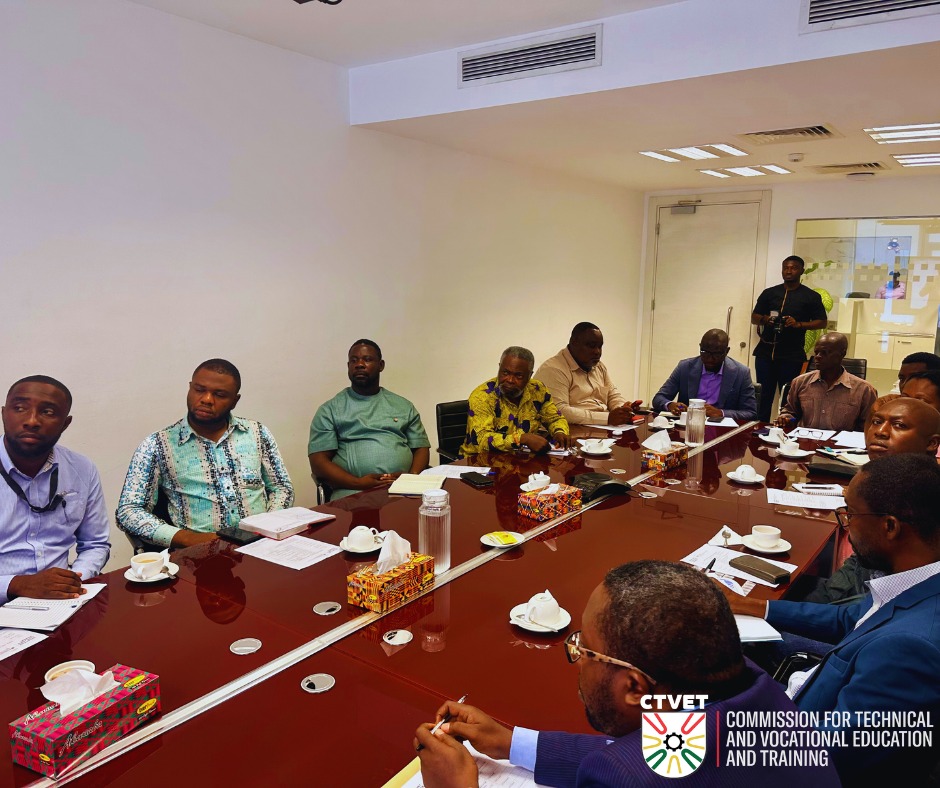
The Commission for Technical and Vocational Education and Training (CTVET), in collaboration with the Delegation of German Industry and Commerce in Ghana (Delegation Ghana), held a Stakeholder Kickoff Meeting to plan the upcoming Ghana TVET Excellence Awards Project.
The meeting brought together key partners to discuss the project’s objectives, scope, and implementation plan. Participants explored strategies for collaboration, established working structures and timelines for the pilot phase, and aligned on a shared vision to ensure the initiative’s success.
The Ghana TVET Excellence Awards — jointly funded by the German Federal Ministry for Education, Family Affairs, Senior Citizens, Women and Youth (BMBFSFJ) and CTVET — aims to recognize and promote excellence in TVET across Ghana. The project seeks to strengthen industry linkages, encourage quality training delivery, and highlight the vital role of TVET in driving skills development and economic growth.
#CTVET #TVETExcellenceAwards #SkillsDevelopment #TVETGhana #PartnershipsForGrowth #GermanGhanaCooperation #YouthSkills #TVETTransformation





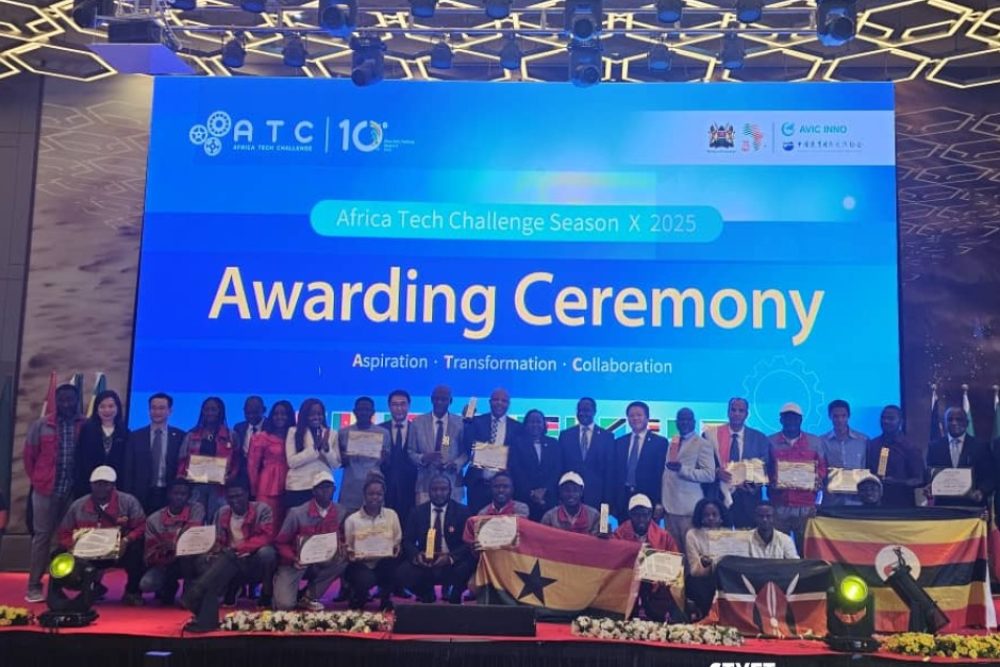
Ghana Shines at Africa Tech Challenge Season X 2025
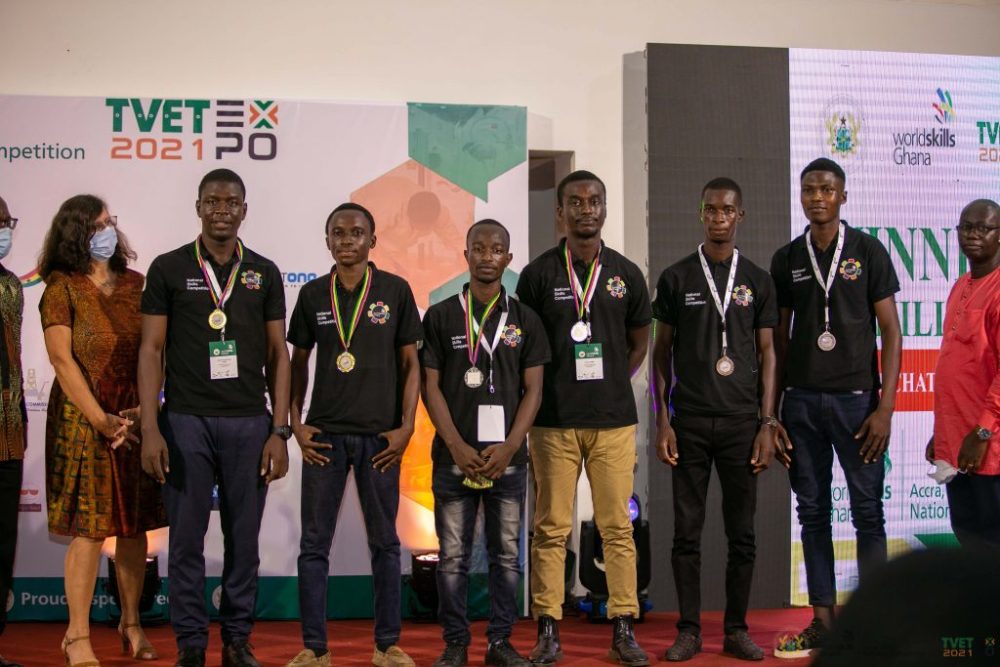
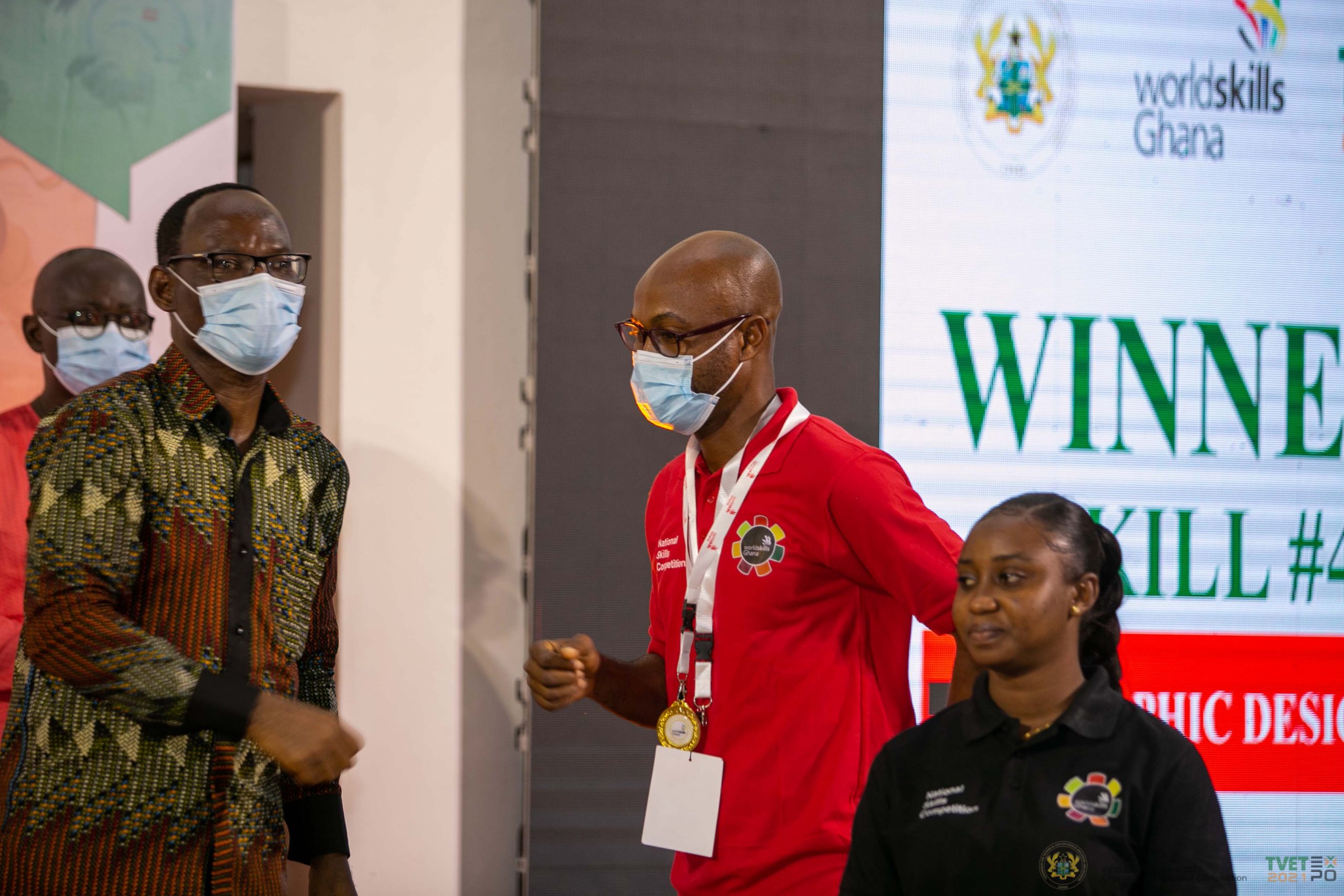
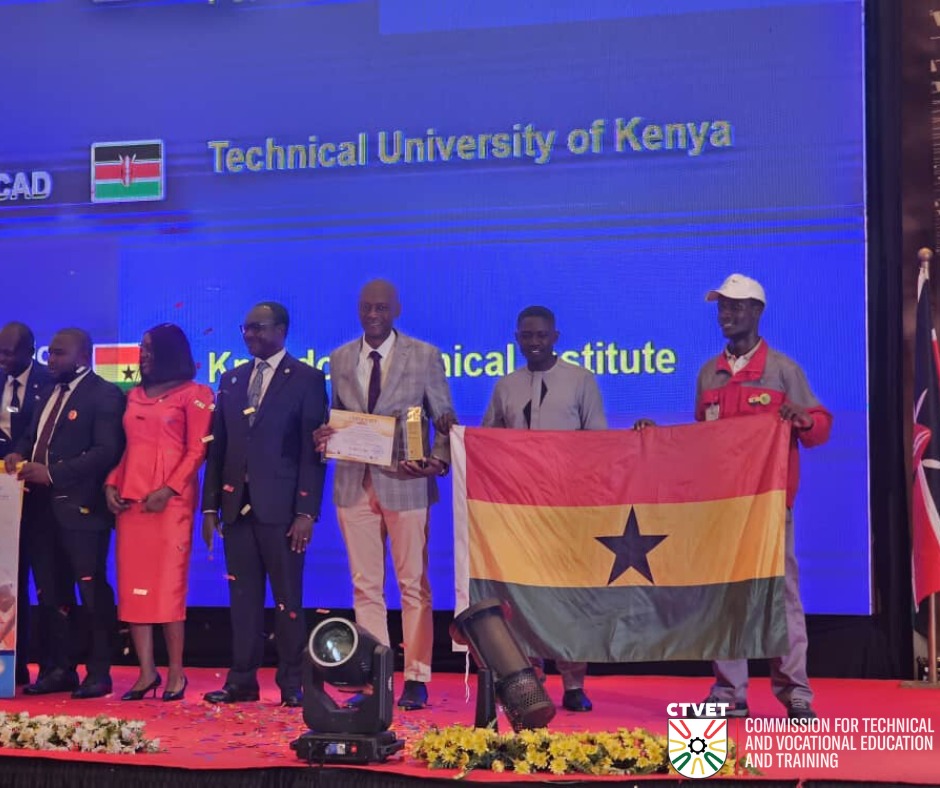
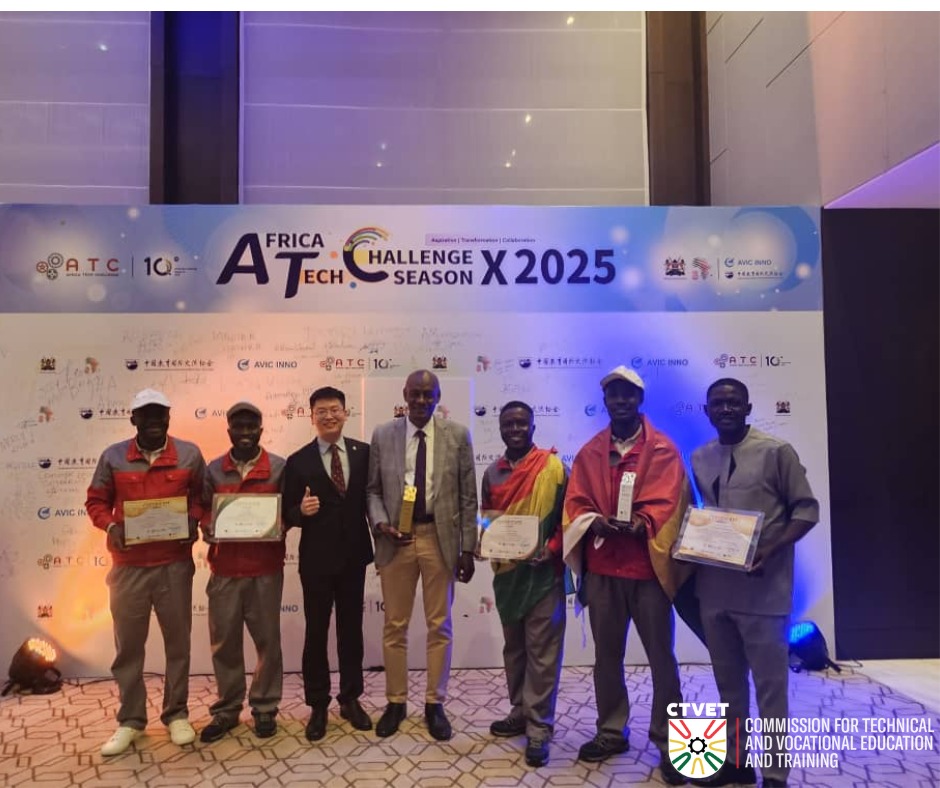
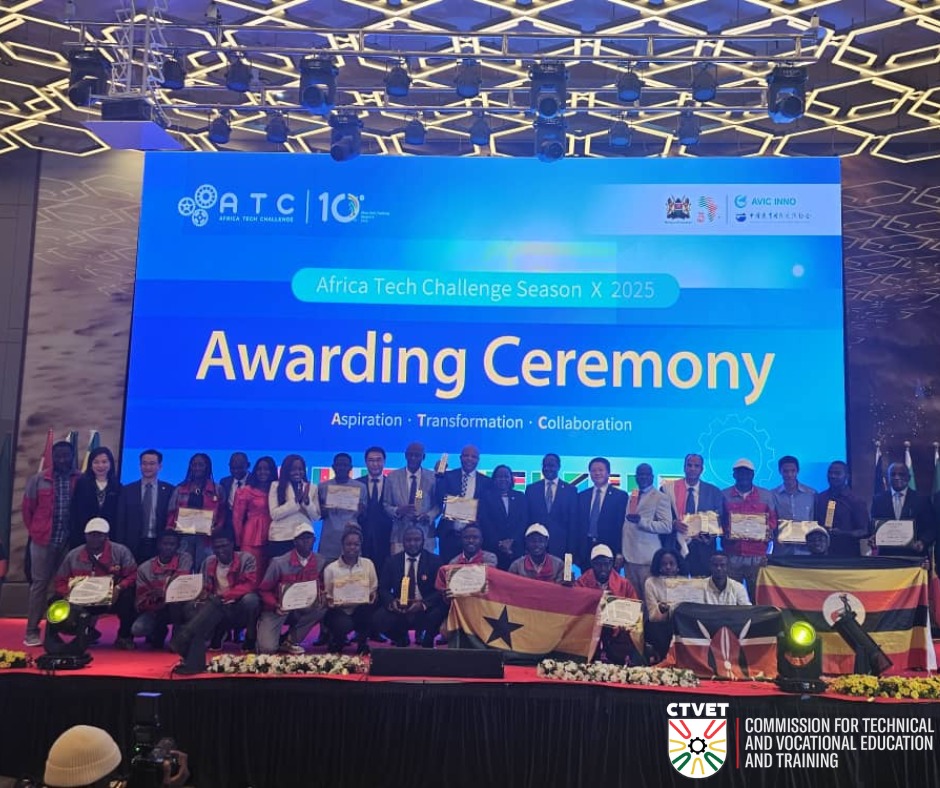
The Africa Tech Challenge (ATC) Season X 2025 brought together over 13 African countries in a celebration of technical skills and innovation. The competition was intense, but Ghana made a remarkable mark on the continental stage, securing top positions across multiple categories.
In the CNC Turning Category, Ghana placed *2nd overall* among 13 participating TVET institutions, with Cameroon taking 1st place. Out of 39 individual competitors, Alfred Nusenu of Kumasi Technical University* emerged as the *overall best student, clinching the top position and earning himself a fully funded Master’s scholarship in China. His teammate, Bernard Agyei, also performed strongly, placing 4th overall in the CNC category.
Meanwhile, in the Mobile Application Development Category, Ghana’s Kpando Technical Institute impressed the continent with their innovation and creativity. Competing against 233 students from 58 teams across Africa and 7 African countries, Ahiakor Abraham Mawulolo* distinguished himself as the best student in this category. The team’s outstanding performance has earned them the opportunity to undergo specialized training in China.
These achievements not only highlight Ghana’s growing strength in technical and vocational education but also reaffirm the country’s commitment to equipping young people with the skills to compete globally.

CTVET Advances TVET Awareness at Ogbojo Presby Basic School
As part of its nationwide TVET Campaign Publicity Programme, the Commission for Technical and Vocational Education and Training (CTVET) conducted a School and Community Sensitization at Ogbojo Presby Basic School in Adentan on 9th September, 2025 . The initiative seeks to raise awareness, spark interest, and build community support for skills-based education as a viable pathway to employment, entrepreneurship, and national development.
The event brought together key stakeholders, including the Municipal Director of Education, the Honourable Assembly Member for Ogbojo, religious and traditional leaders, head teachers, guidance coordinators, and parents. Students and parents were inspired by success stories of TVET graduates who have become innovators, entrepreneurs, and professionals.
Parents were encouraged to consider TVET not as a last resort, but as a first-choice option that equips young people with practical skills for the workforce. Discussions emphasized that skills are the currency of the future, and every young Ghanaian deserves the opportunity to realize their potential through TVET.
The sensitization provided a platform for dialogue and shared commitment to changing perceptions about TVET. As the campaign continues across the country, CTVET calls on parents, teachers, community leaders, and youth groups to champion skills development and help more young people embrace TVET for brighter futures.



CTVET Advances TVET Awareness at Zogbeli M/A JHS Block A, Nobiscora, Tamale
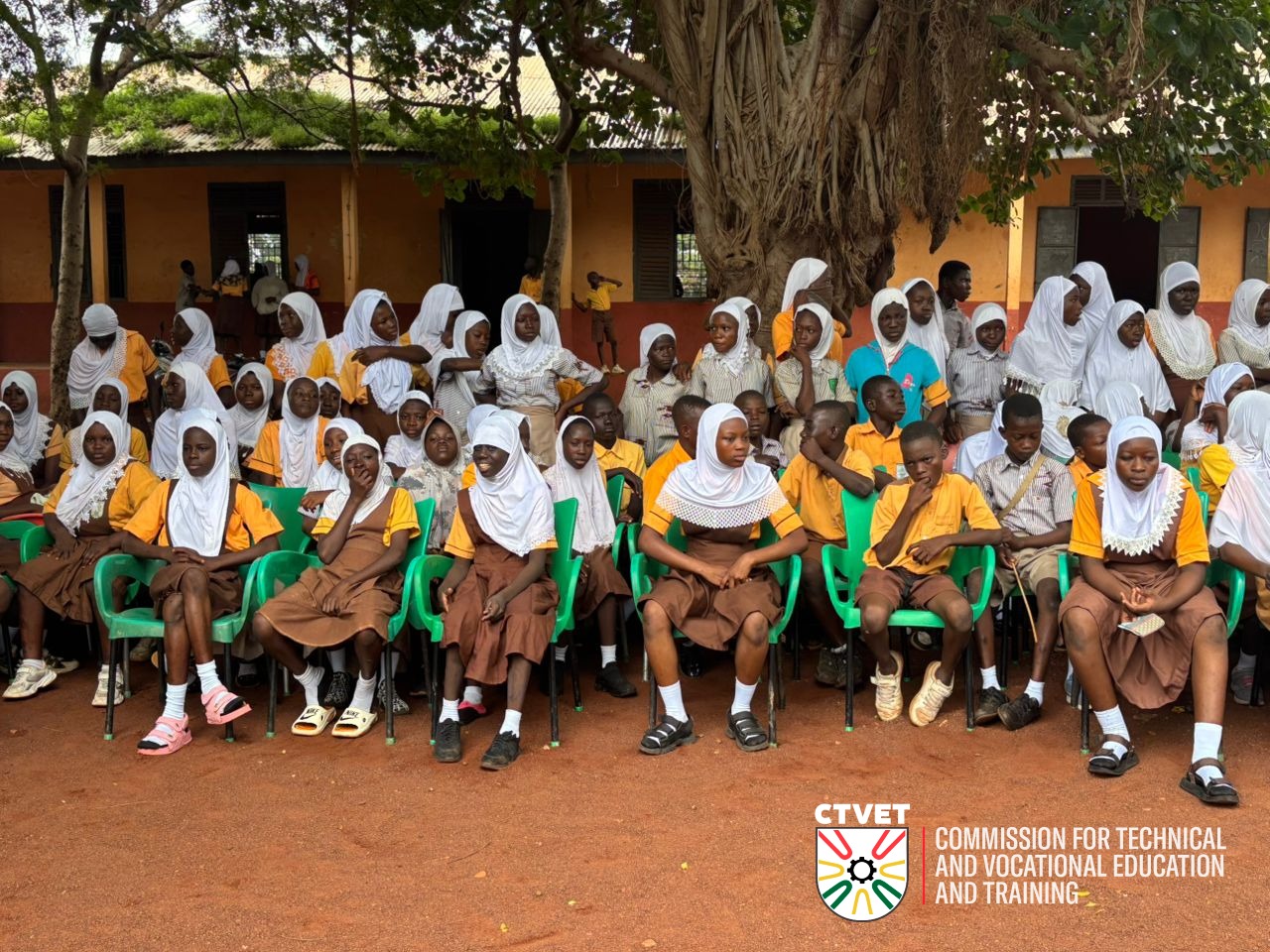
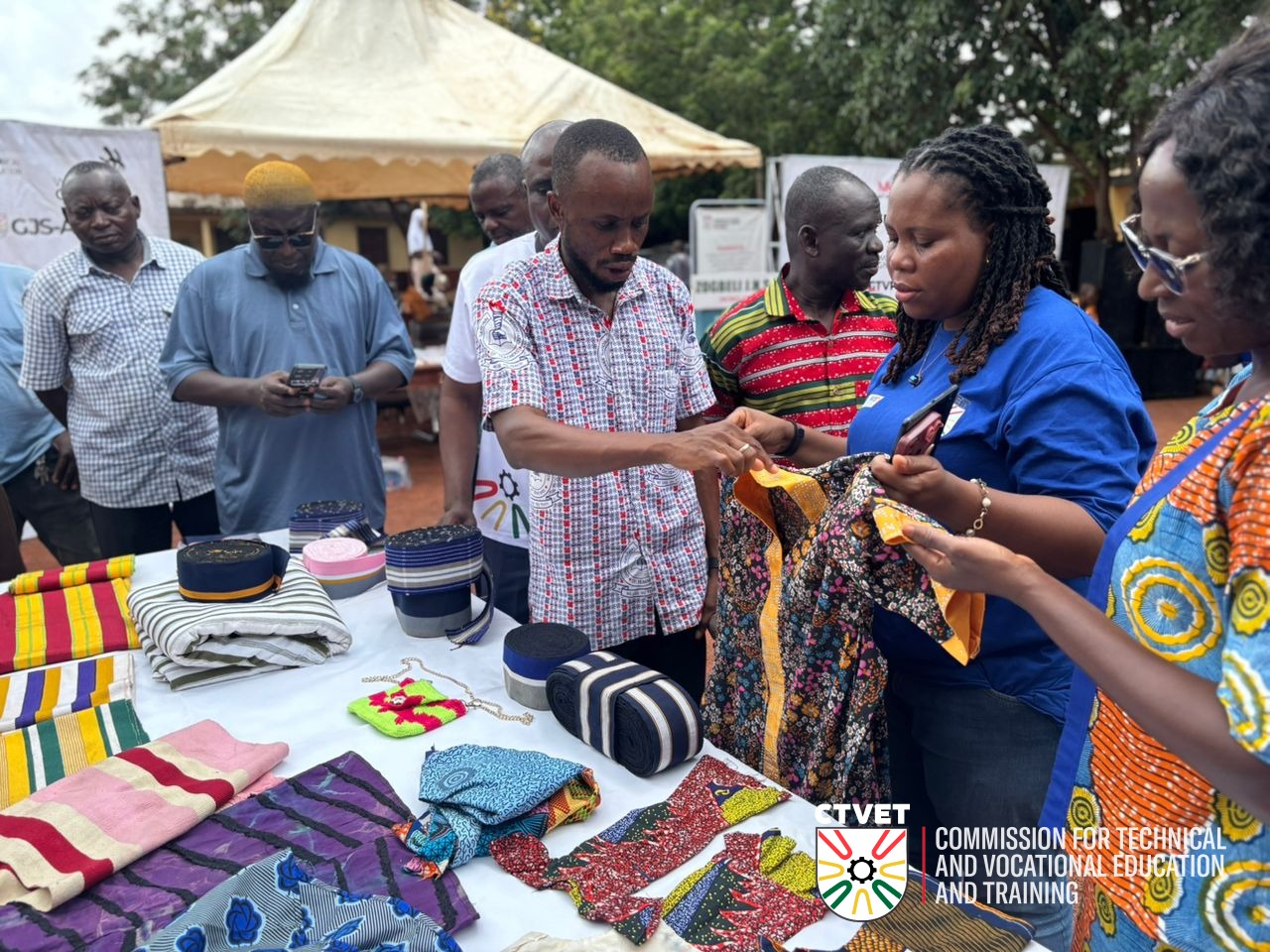
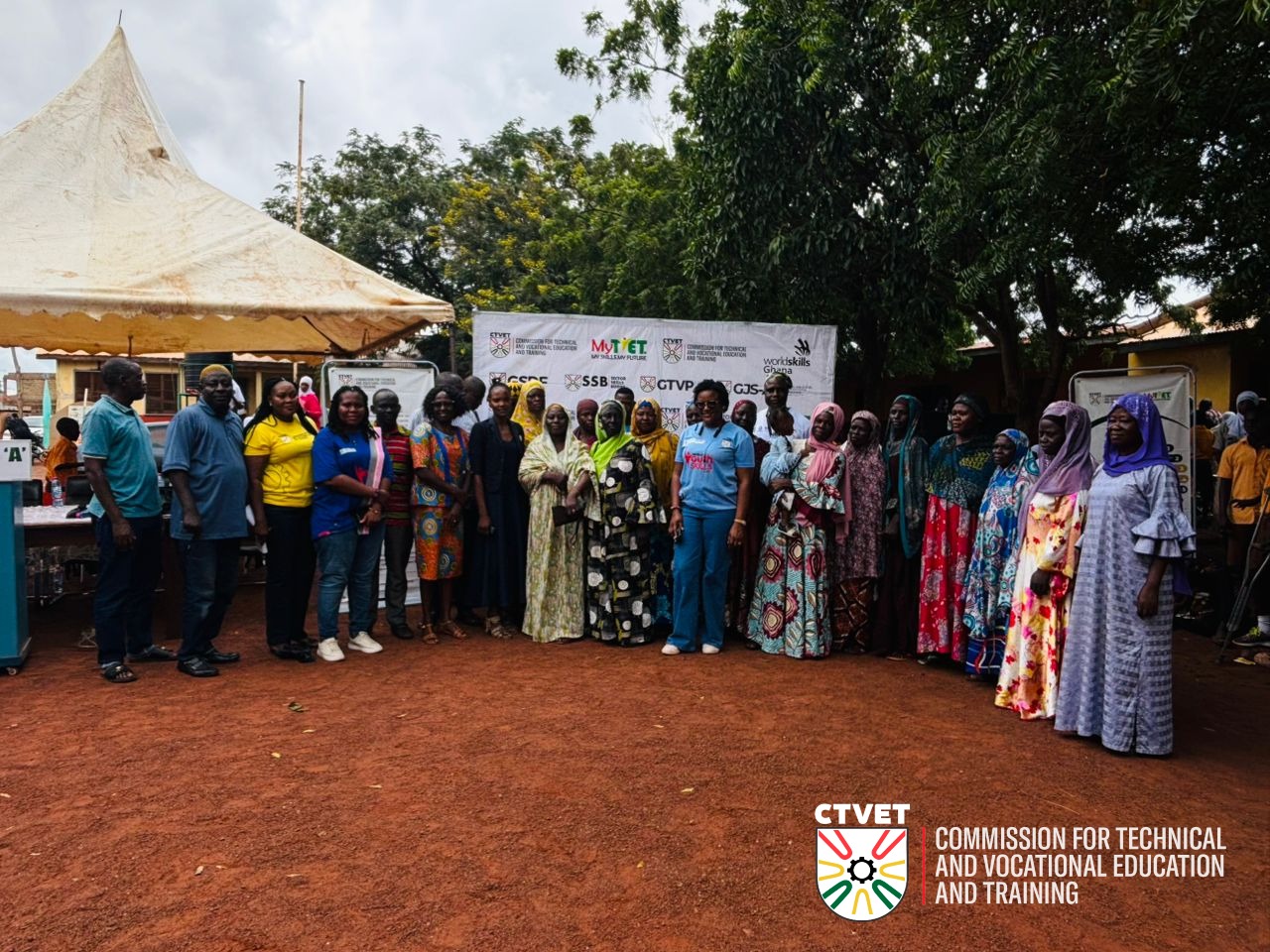
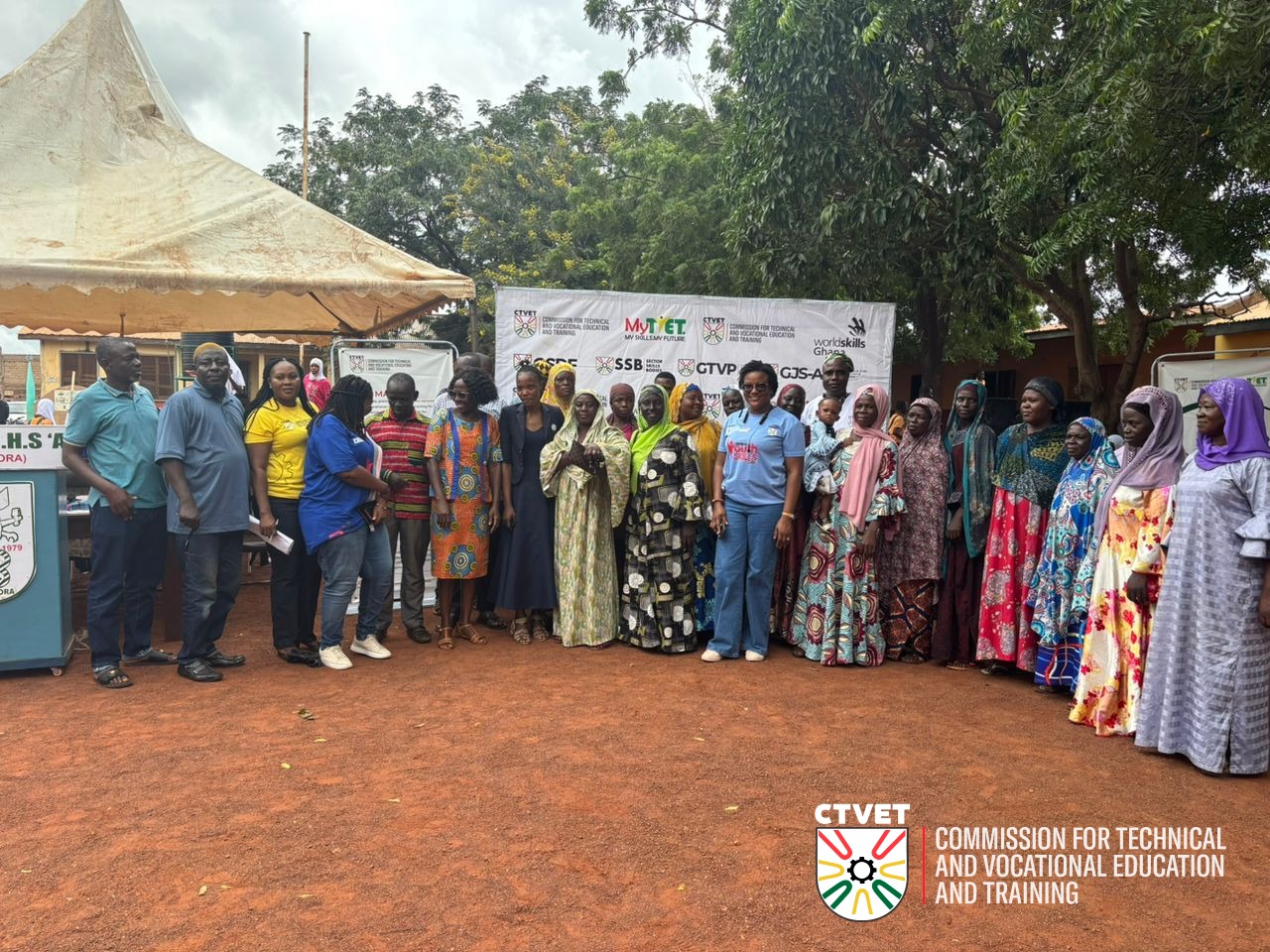
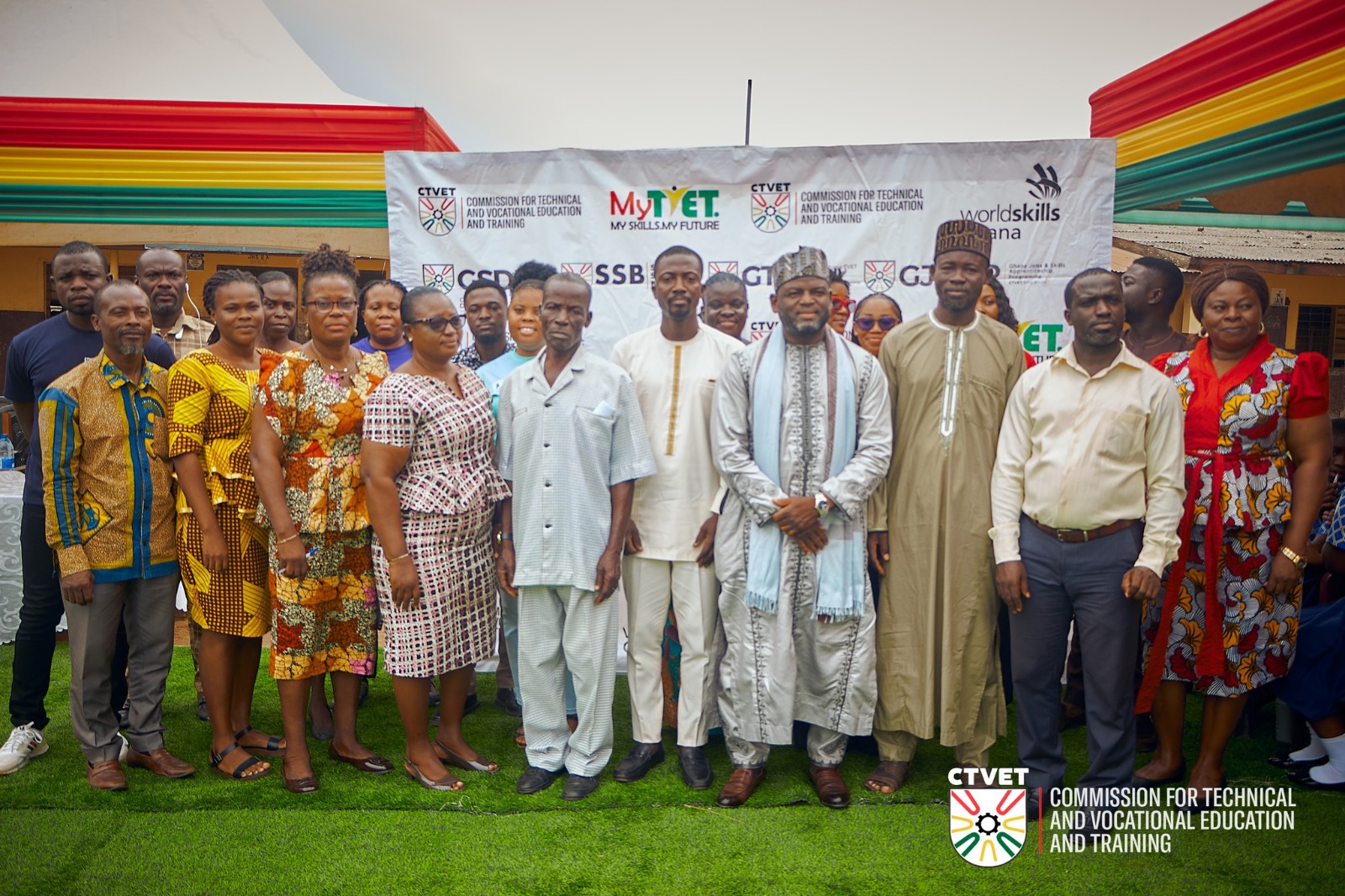
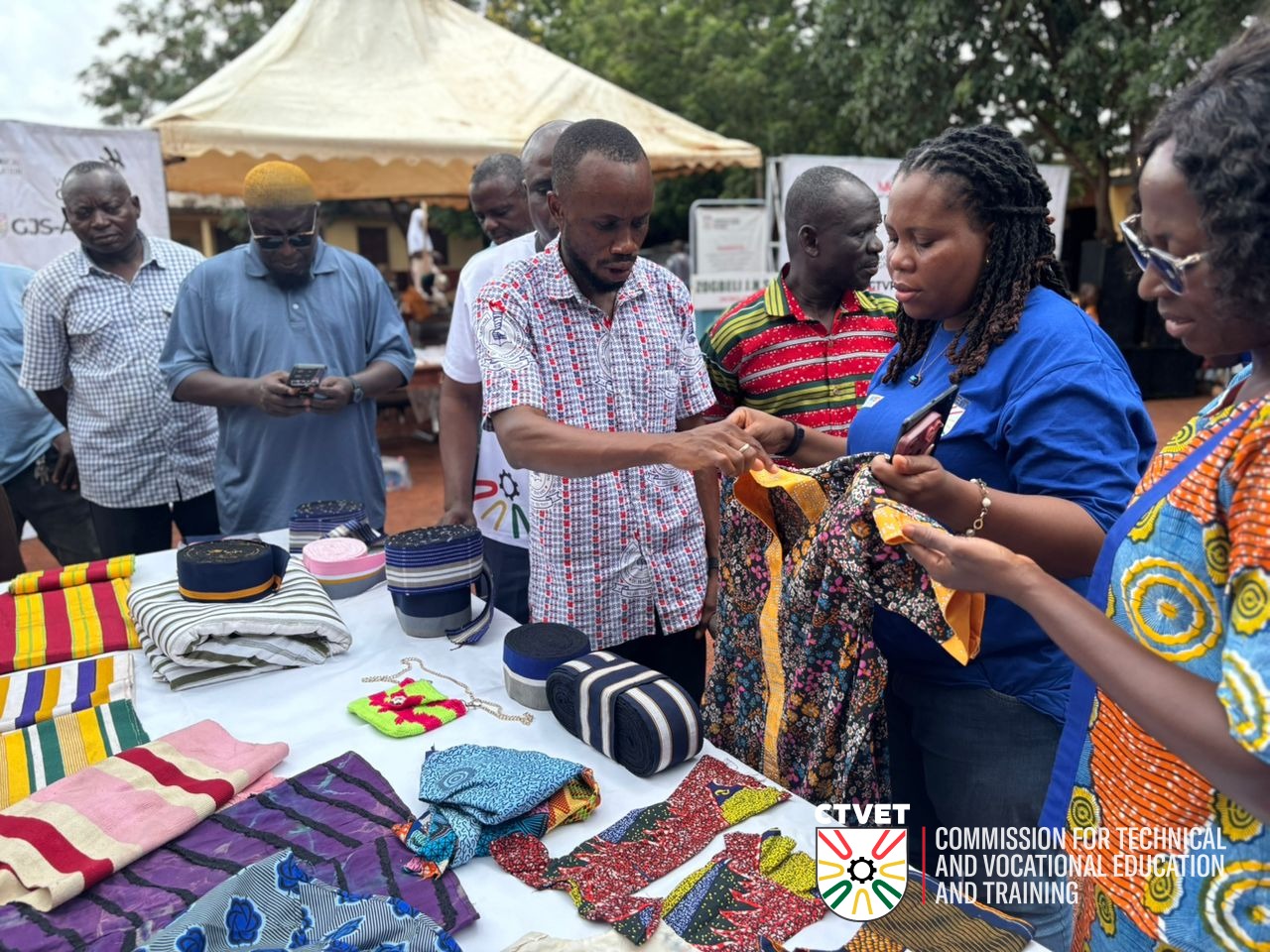
As part of its nationwide TVET Campaign Publicity Programme, the Commission for Technical and Vocational Education and Training (CTVET) conducted a School and Community Sensitization at Zogbeli M/A JHS Block A, Nobiscora, Tamale, on 17th September, 2025. The initiative seeks to raise awareness, spark interest, and build community support for skills-based education as a viable pathway to employment, entrepreneurship, and national development.
The event brought together key stakeholders, including the Municipal Director of Education, the Honourable Assembly Member for Nobiscora, religious and traditional leaders, head teachers, guidance coordinators, and parents. Students and parents were inspired by success stories of TVET graduates who have become innovators, entrepreneurs, and professionals.
Parents were encouraged to consider TVET not as a last resort, but as a first-choice option that equips young people with practical skills for the workforce. Discussions emphasized that skills are the currency of the future, and every young Ghanaian deserves the opportunity to realize their potential through TVET.
The sensitization provided a platform for dialogue and shared commitment to changing perceptions about TVET. As the campaign continues across the country, CTVET calls on parents, teachers, community leaders, and youth groups to champion skills development and help more young people embrace TVET for brighter futures.