UGANDAN TVET DELEGATION VISITS CTVET TO LEARN FROM GHANA’S TVET TRANSFORMATION JOURNEY
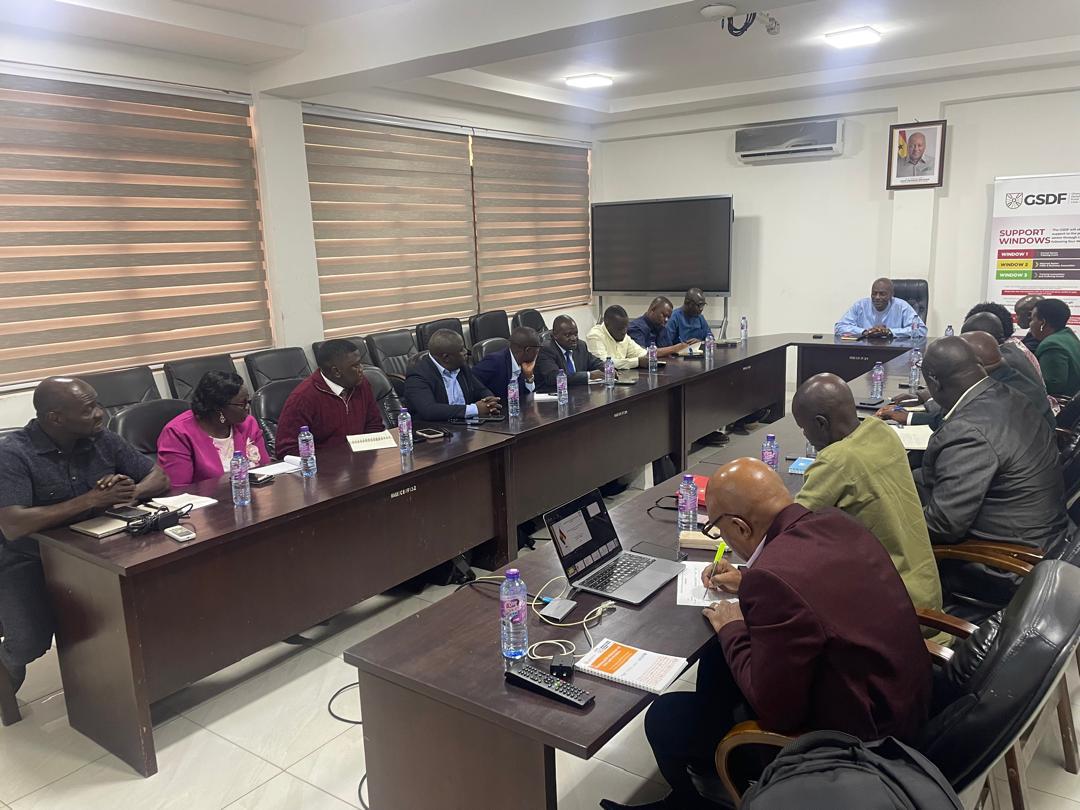
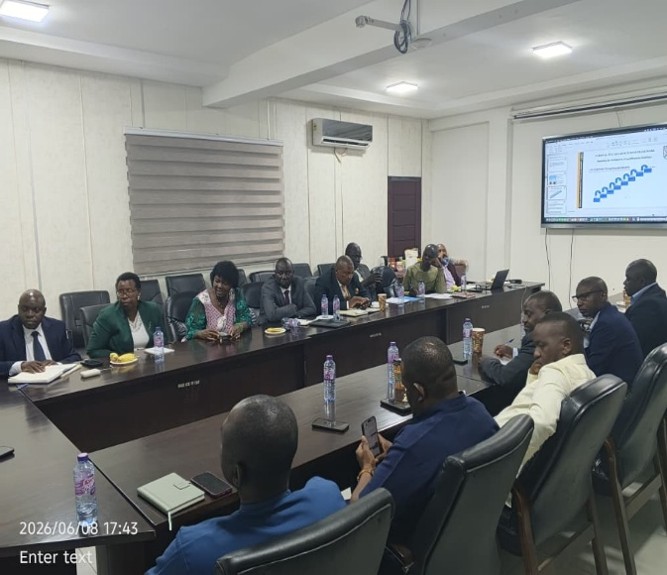
The Commission for Technical and Vocational Education and Training (CTVET) on Monday, 8th June 2026, welcomed a high-level delegation from the Ministry of Education and Sports of Uganda and selected Technical and Vocational Education and Training (TVET) institutions as part of a study visit aimed at learning from Ghana’s TVET transformation experience.
The delegation, led by Mr. Tayewa Julius and Dr. Loy K. A. Muhwezi, with support from Dr. Violet Makuku, a member of the Global Quality Assurance Association, visited CTVET to gain first-hand knowledge of Ghana’s policy, regulatory, quality assurance, and operational frameworks that have contributed significantly to the country’s TVET reforms over the years.
The engagement formed part of broader efforts to strengthen collaboration and knowledge exchange among African countries seeking to build responsive, industry-driven, and quality-assured TVET systems capable of meeting the demands of modern labour markets.
During the visit, officials of CTVET delivered comprehensive presentations and engaged the delegation in extensive discussions on Ghana’s TVET architecture and reform agenda. Key areas explored included curriculum development processes, the structure and implementation of the National Technical and Vocational Education and Training Qualifications Framework (NTVETQF), institutional arrangements for quality assurance and accreditation, standardized assessment and certification procedures, and the integration of industry through Workplace Experience Learning (WEL).
The discussions also highlighted Ghana’s TVET governance and coordination mechanisms, strategies for Recognition of Prior Learning (RPL) to support skills recognition within the informal sector, financing arrangements supporting TVET delivery and expansion, as well as structured learner progression pathways across qualification levels.
The Ugandan delegation expressed admiration for the significant strides Ghana has made in developing a coordinated and quality-driven TVET system. Particular interest was shown in the implementation of the NTVETQF, the standardization of assessment and certification systems, and the institutional mechanisms that ensure quality and relevance in TVET delivery.
The delegation noted that Ghana’s experience offers valuable lessons that could support ongoing TVET reforms in Uganda and contribute to broader continental efforts to strengthen skills development and workforce readiness.
One of the key outcomes of the engagement was a recommendation for CTVET to champion regional discussions towards the establishment and harmonization of a West African Regional TVET Qualifications Framework. Such a framework, according to participants, would facilitate the standardization of assessment and certification systems, promote mutual recognition of qualifications, support labour mobility across countries, and strengthen regional cooperation in TVET quality assurance.
The visit further underscored the growing recognition of TVET as a strategic tool for economic transformation, youth employment, industrial development, and regional integration. As African countries continue to prioritize skills development, opportunities for peer learning and institutional collaboration remain essential for accelerating reforms and sharing best practices.
Addressing the delegation, the Director-General of CTVET, Mr. Zakaria Sulemana, expressed appreciation to the visitors for choosing Ghana as a learning destination. He observed that Ghana’s achievements in the TVET sector have been made possible through sustained political commitment and strategic investments over the years.
Mr. Sulemana further highlighted the Government of Ghana’s continued commitment to strengthening the TVET ecosystem through key initiatives, including the proposed establishment of a TVET Fund and the approval of a National TVET Policy. These interventions, he noted, are expected to deepen reforms, enhance access, improve quality, and ensure sustainable financing for skills development across the country.
He assured the delegation of CTVET’s readiness to continue supporting Uganda and other African countries pursuing TVET transformation, emphasizing that collaboration and knowledge sharing remain critical to building a skilled and competitive workforce for the continent.
The study visit successfully strengthened bilateral cooperation between Ghana and Uganda in the field of technical and vocational education and training while reinforcing the importance of regional integration in qualification frameworks, assessment systems, and quality assurance mechanisms. It also reaffirmed CTVET’s position as a leading institution in TVET reform and innovation within Africa and its commitment to advancing skills development for sustainable economic growth and prosperity across the continent.