UNESCO–BEAR III Project Supported WorldSkills AgriSkills Competition Successfully Held at Ejura Agric College and Mechanization Centre under the Commission for Technical and Vocational Education and Training (CTVET) WorldSkills Ghana
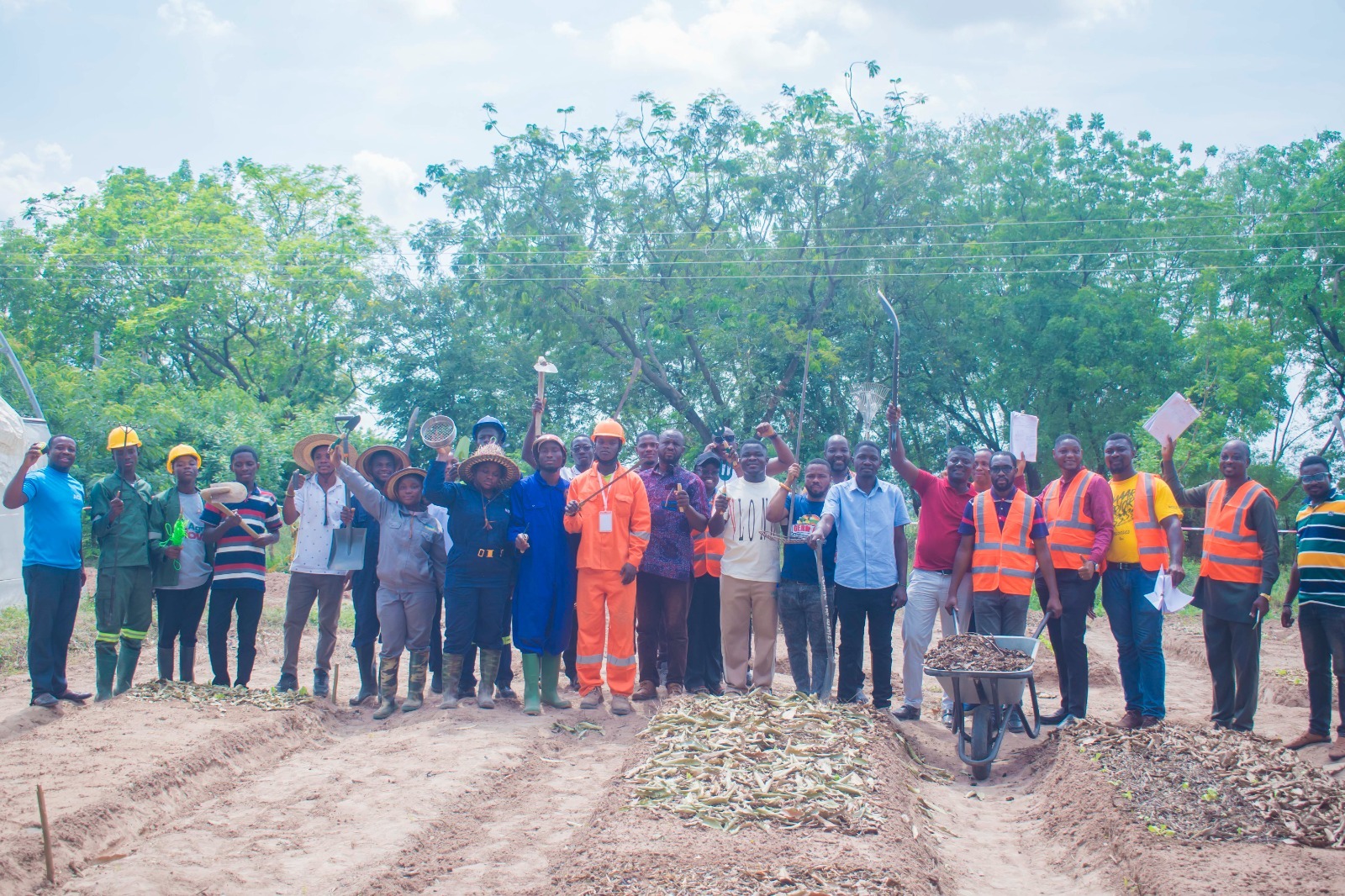
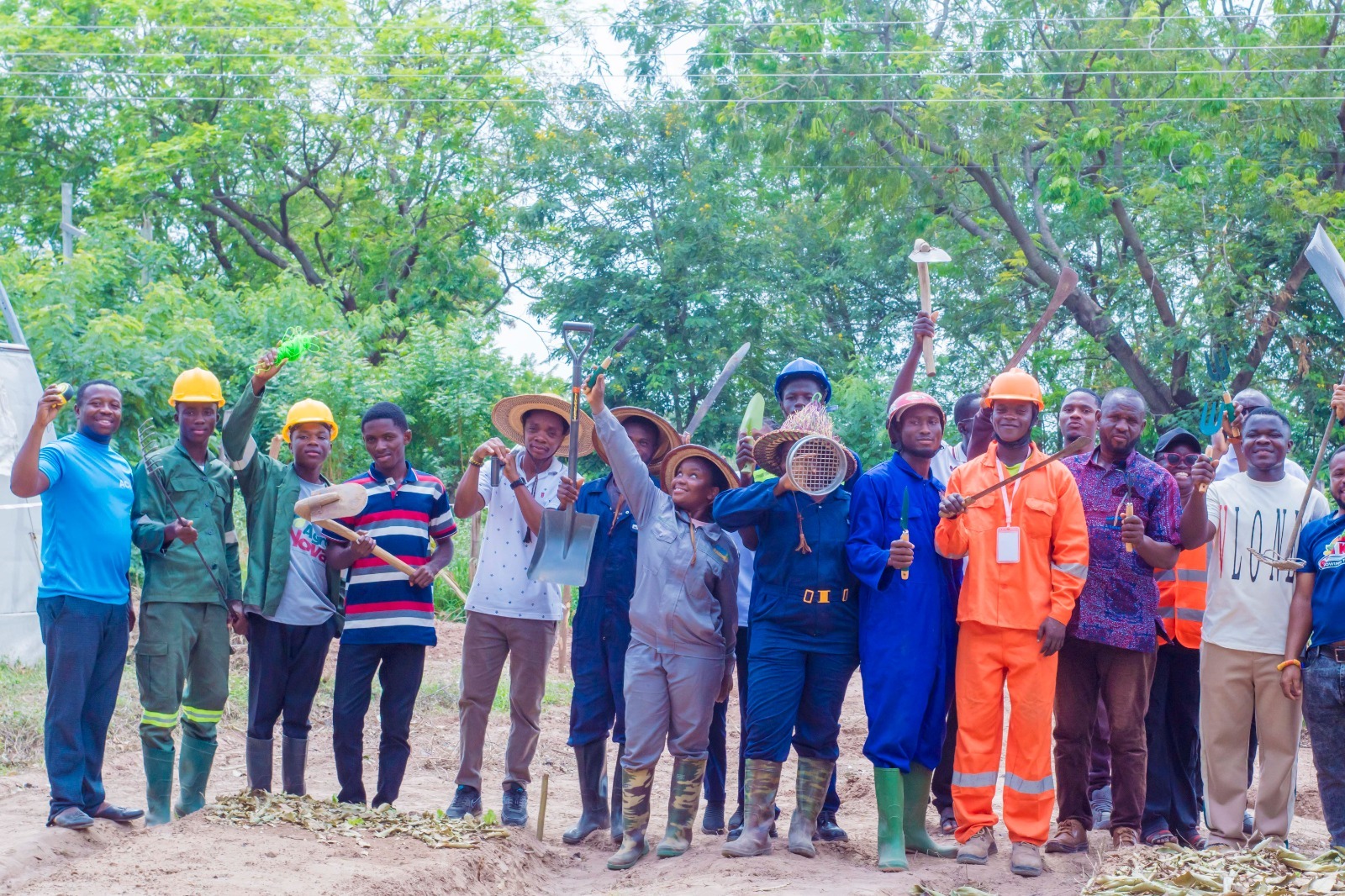
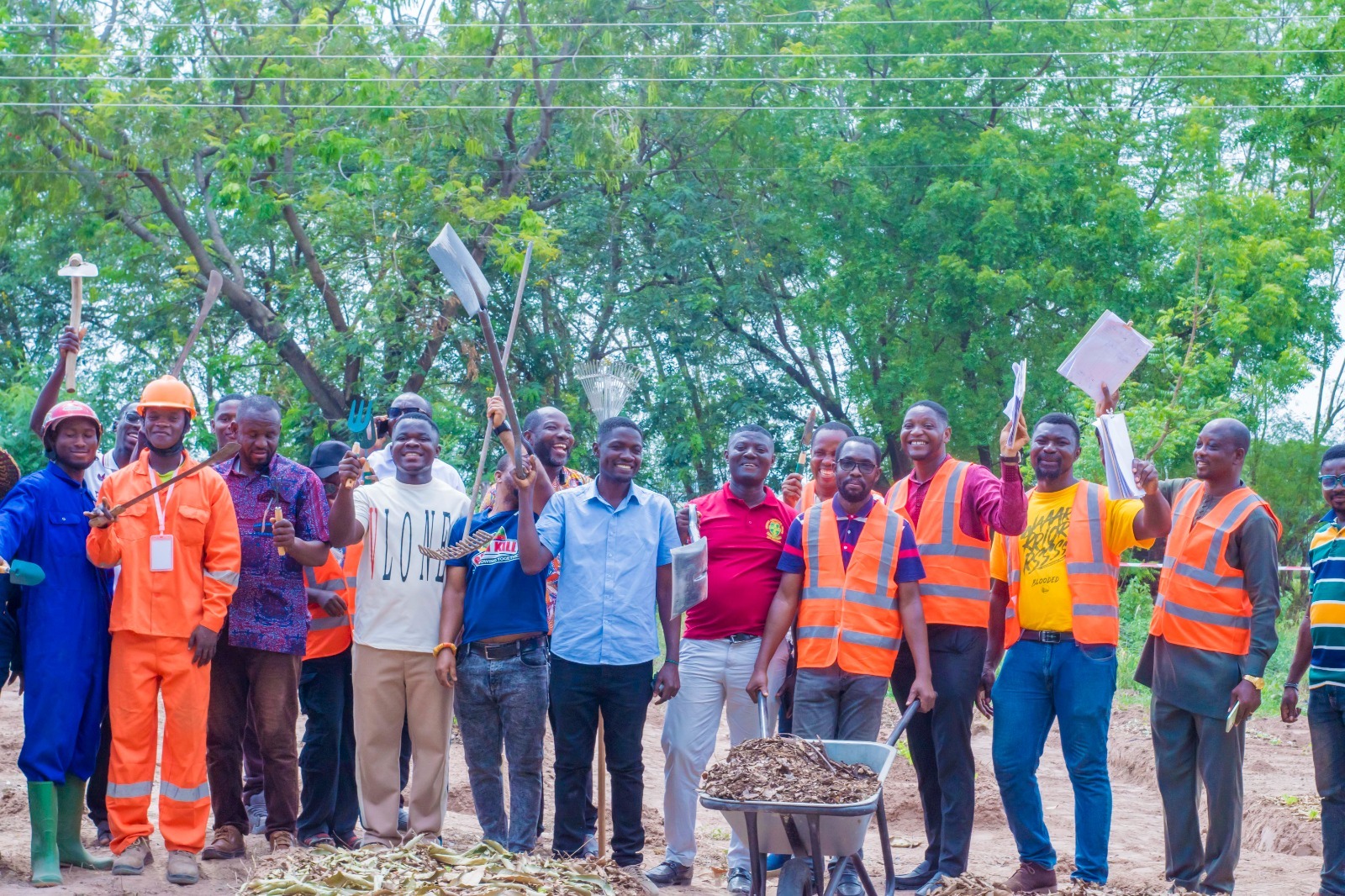
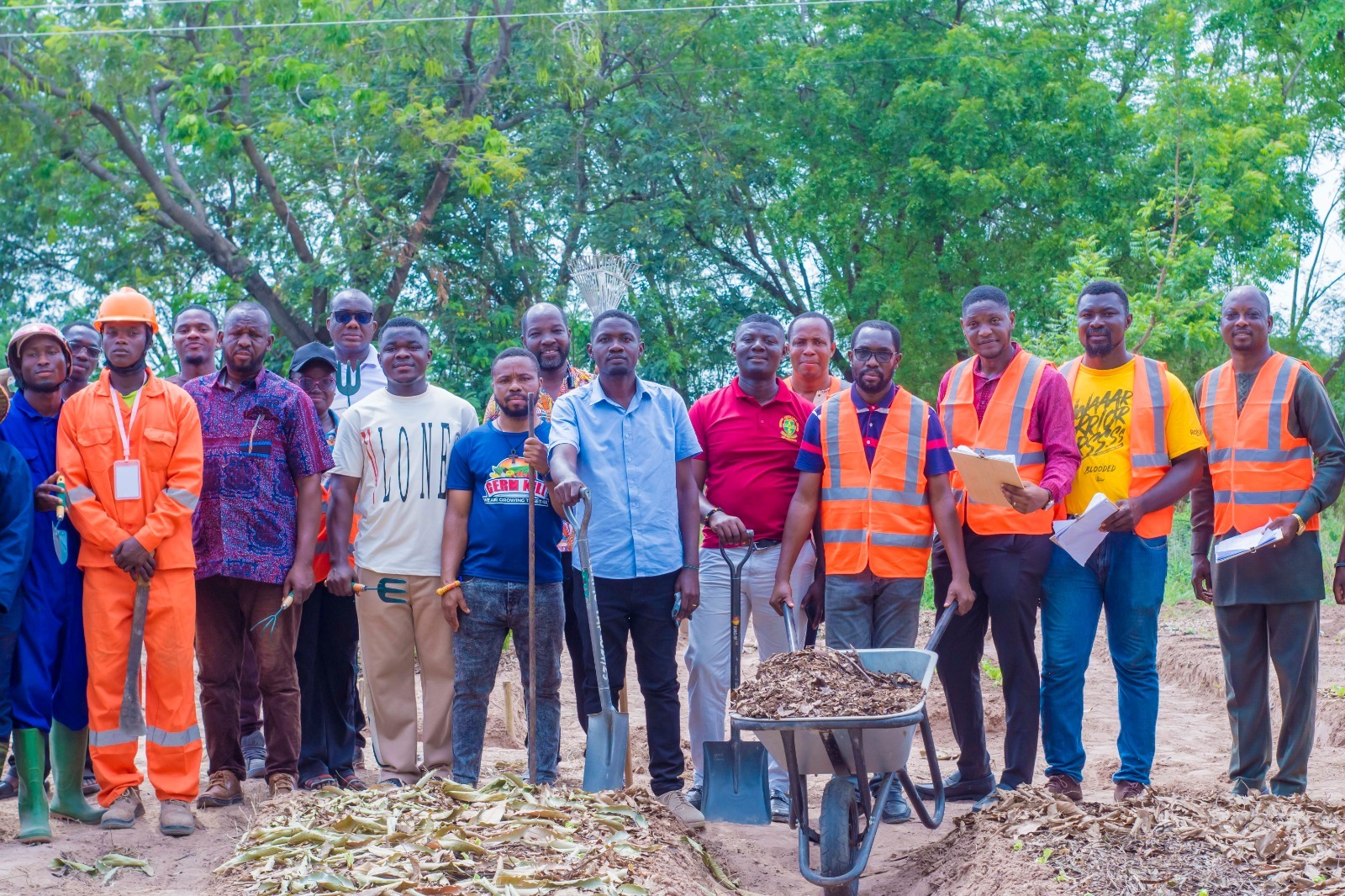
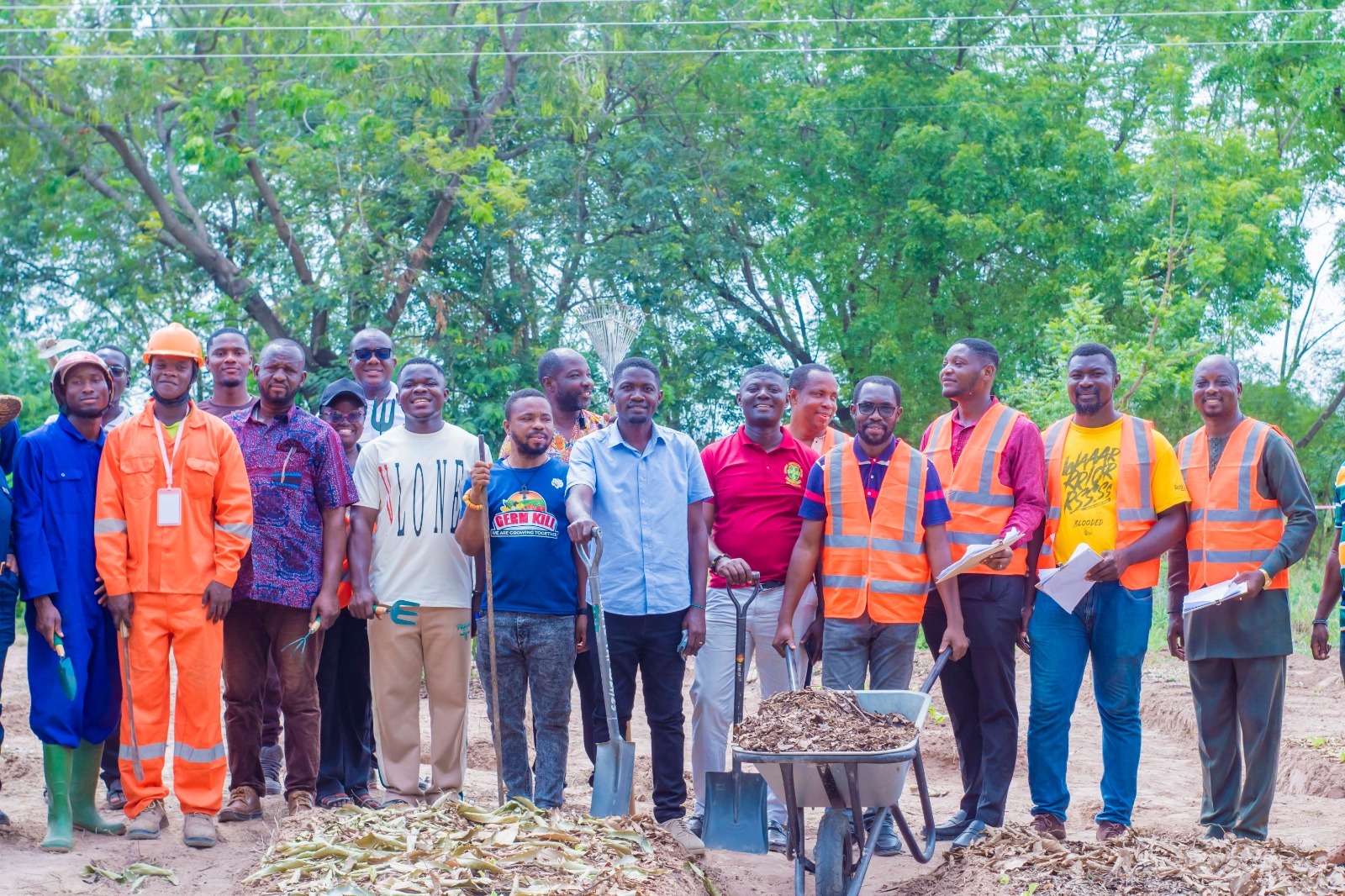
The Ejura Agric College and Mechanization Centre came alive as the Commission for Technical and Vocational Education and Training (CTVET), through WorldSkills Ghana, successfully hosted the WorldSkills AgriSkills Competition under the theme “Advancing Agricultural Skills Development Through WorldSkills Ghana” from March 22 to 25. The event was proudly supported by the UNESCO–BEAR III Project, which is funded by the Republic of Korea, underscoring the global commitment to strengthening technical and vocational education in Ghana.
The competition brought together young talents from across the country to showcase their expertise in modern agricultural practices, mechanization, and innovation. Participants demonstrated skills ranging from crop production and mechanized farming techniques to sustainable agricultural solutions, reflecting the growing importance of agriculture in Ghana’s socio-economic development. Held under the theme “Advancing Agricultural Skills Development Through WorldSkills Ghana,” the competition marked a significant step in strengthening practical, competency-based agricultural training in Ghana.
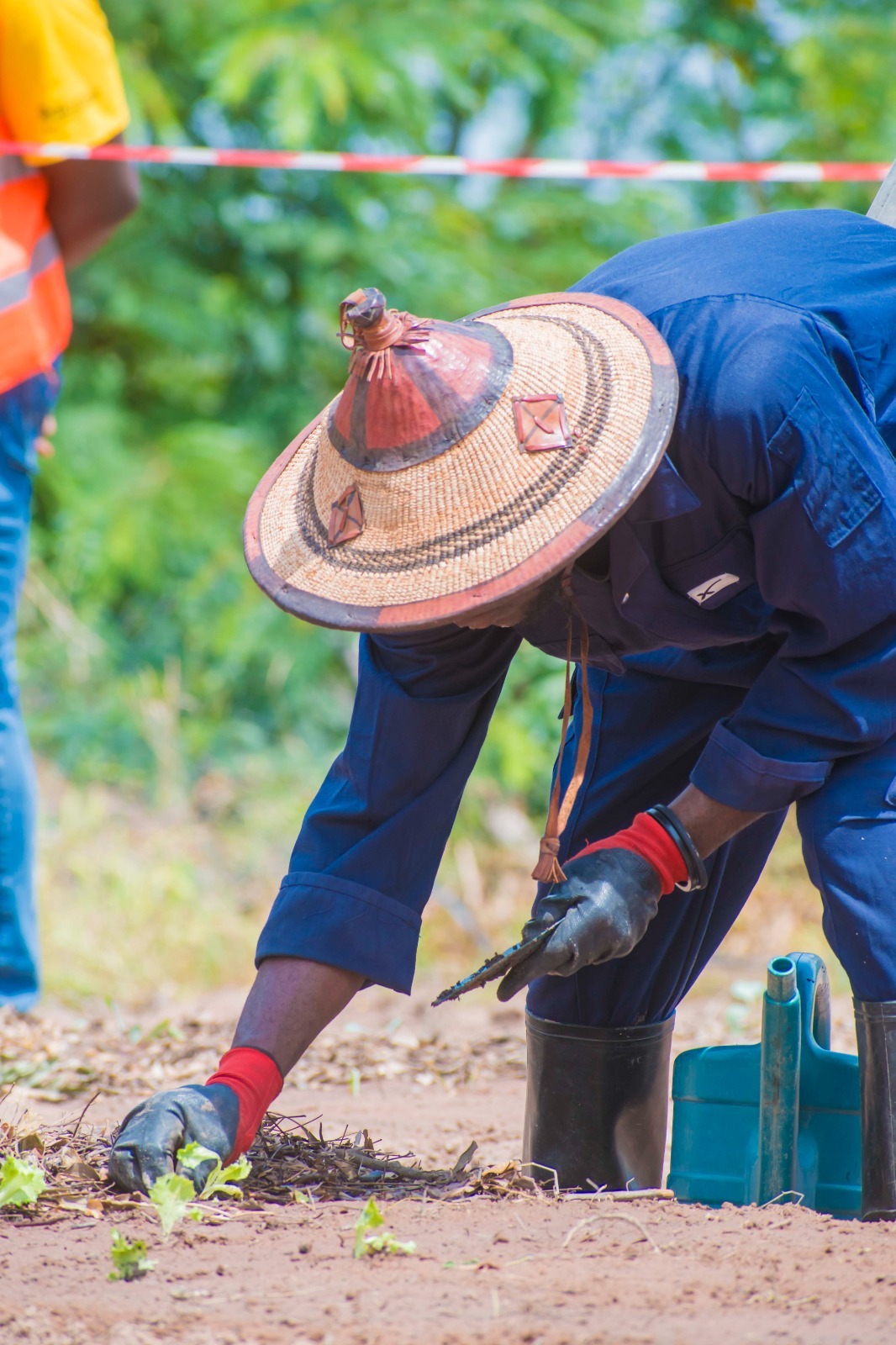
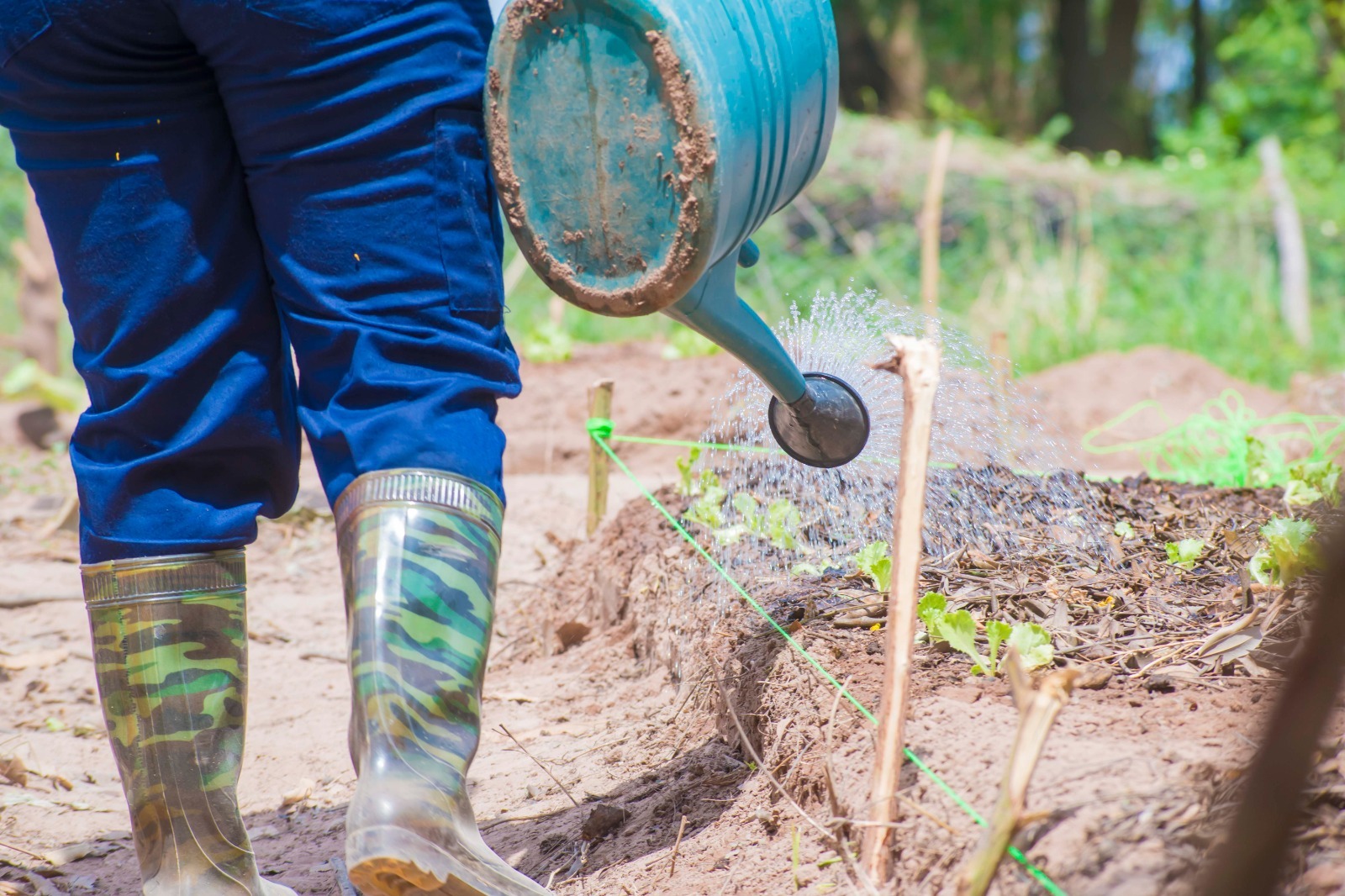
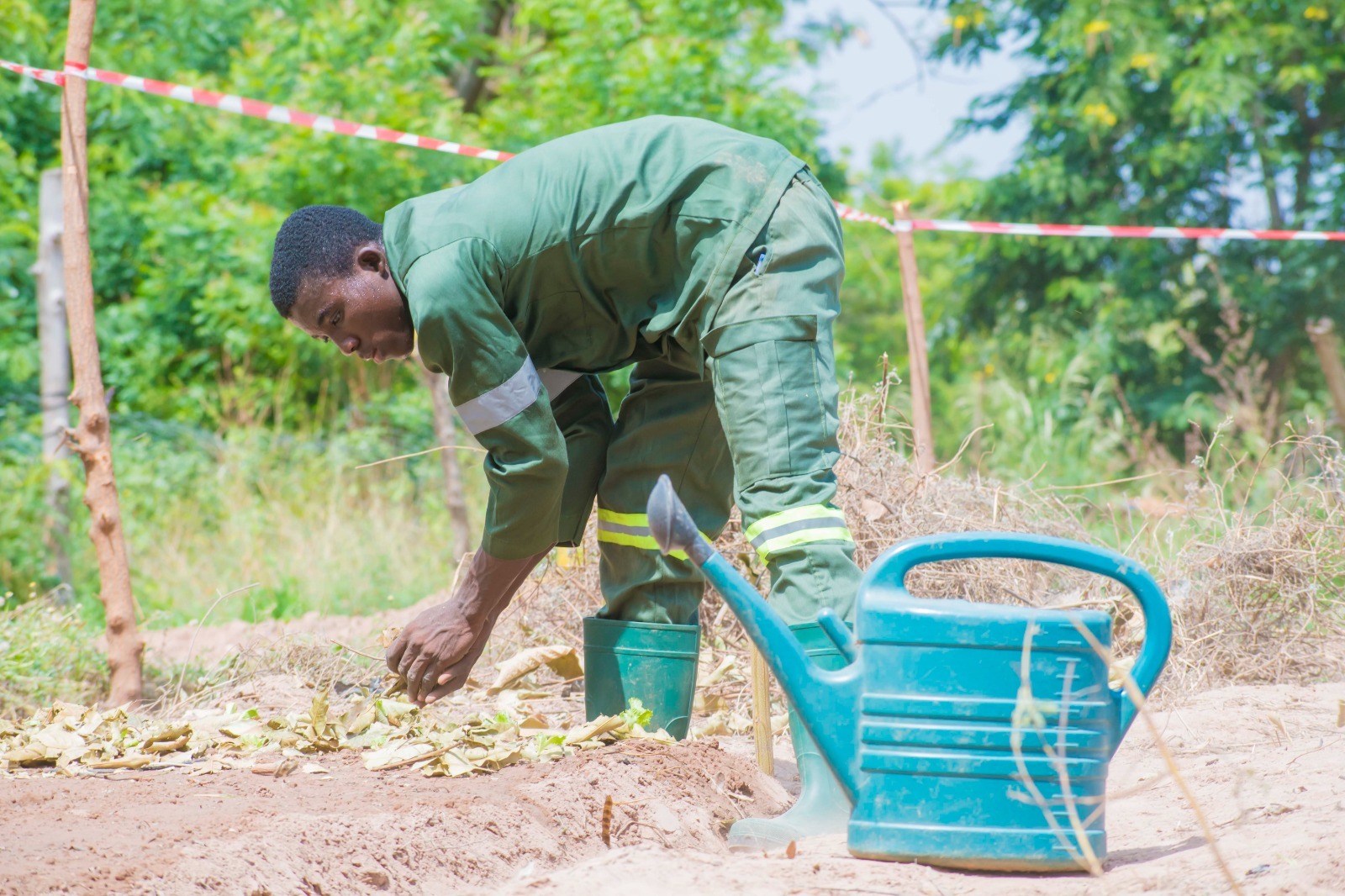
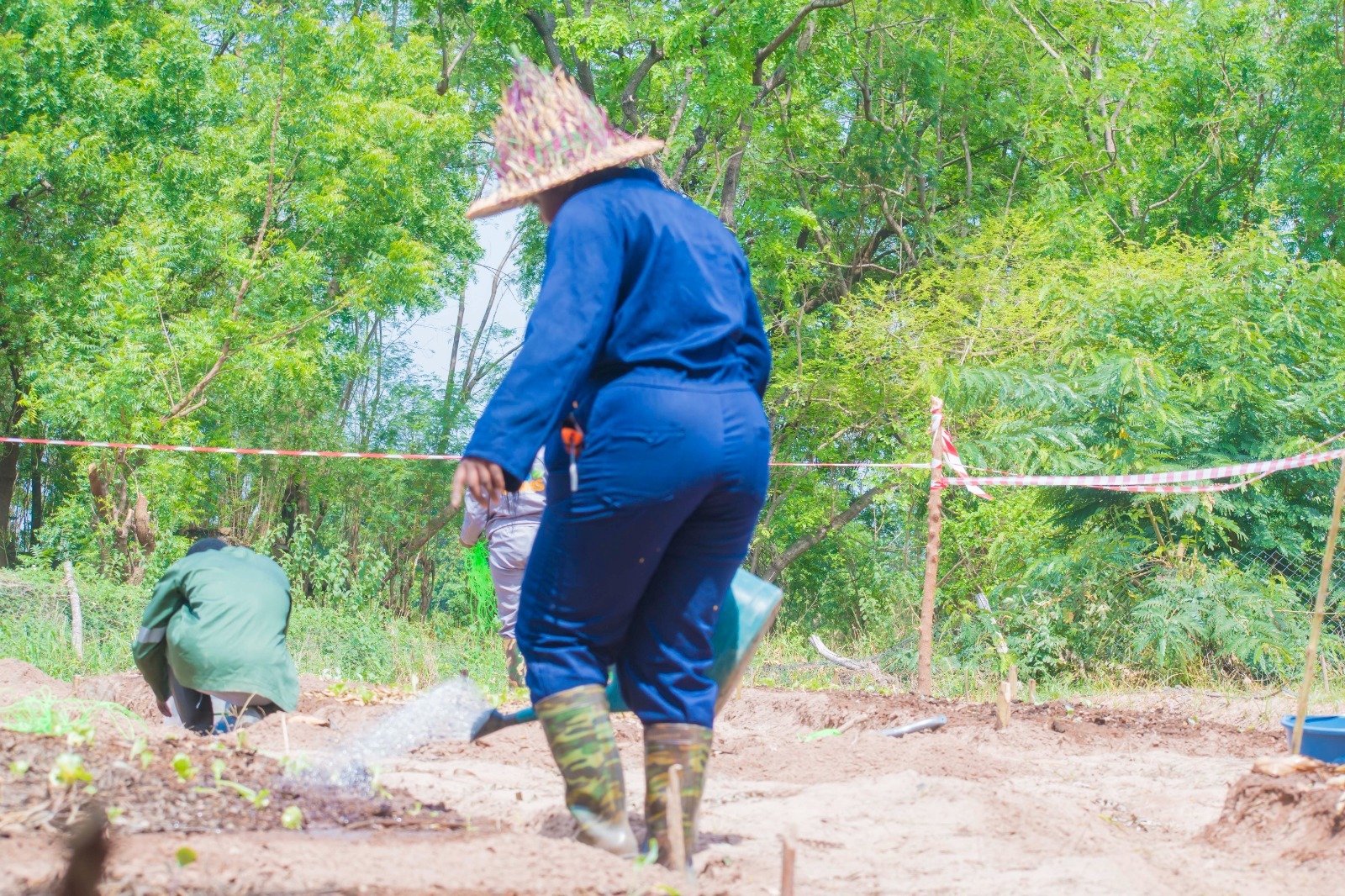
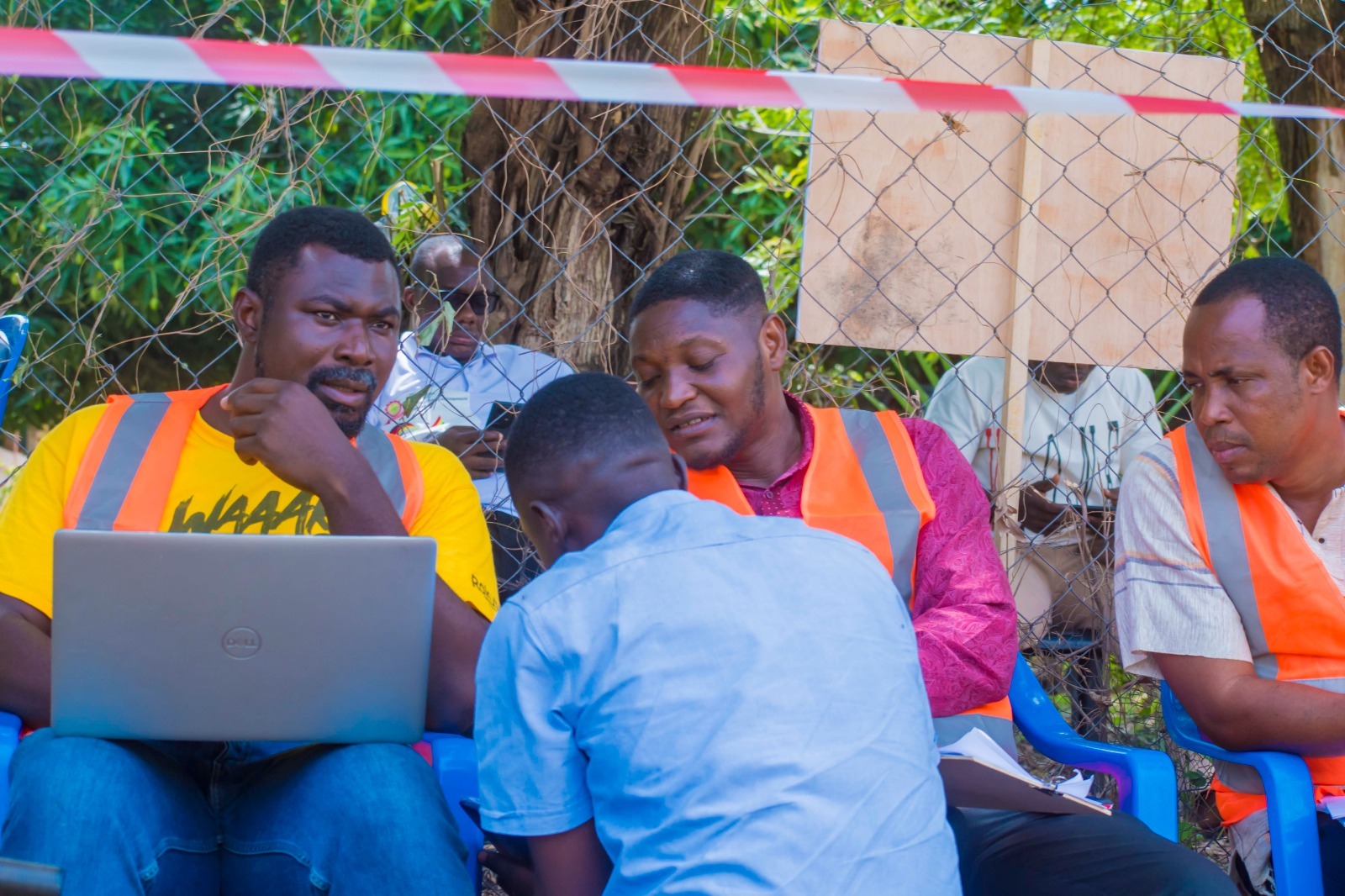
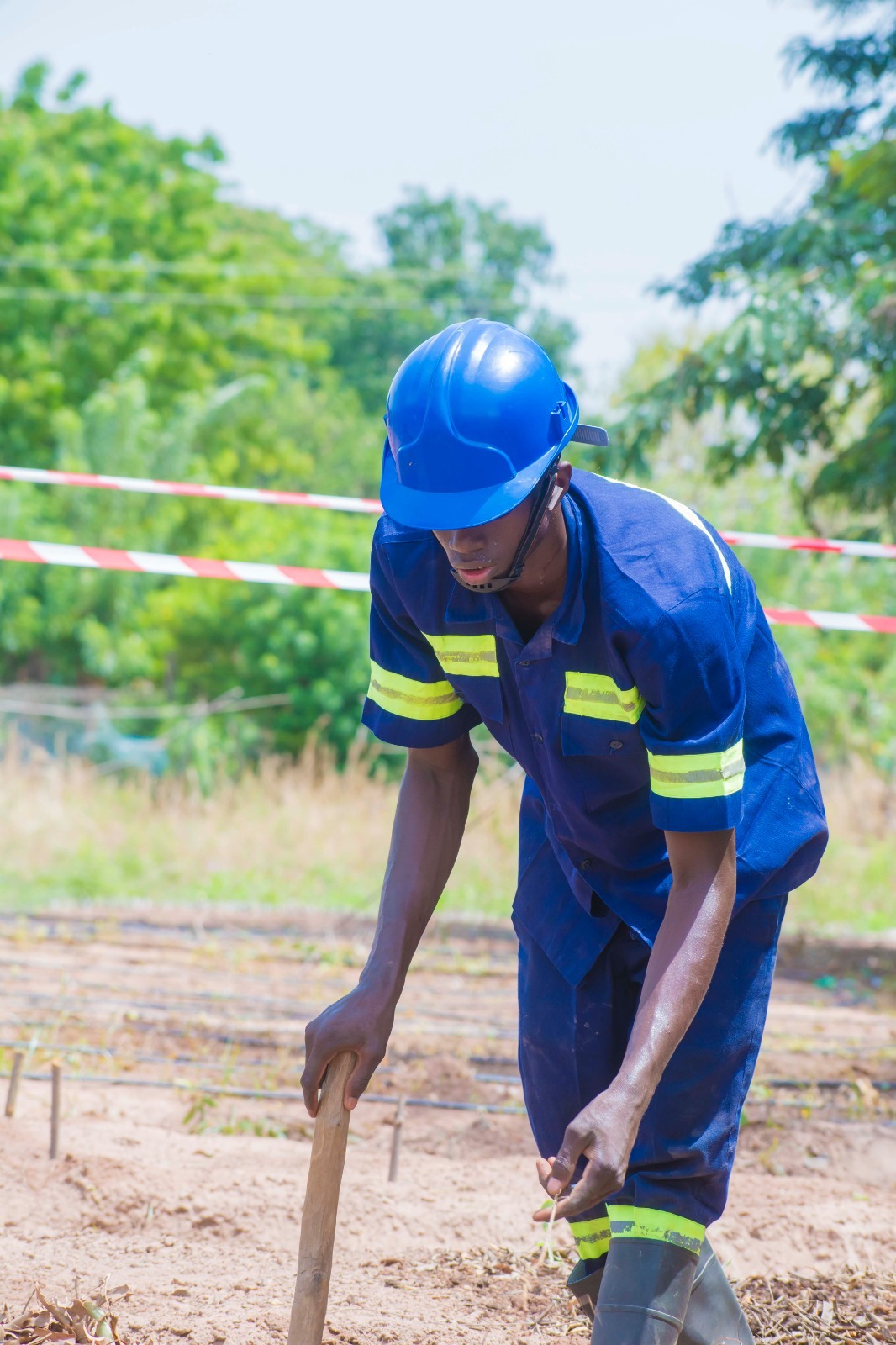
The competition adopted a competency-based assessment approach, with experts evaluating participants against established agricultural best practices and industry-relevant standards, rather than WorldSkills International occupational standards. The skill area, Vegetable Establishment and Management, emphasized practical competence in modern agriculture. Competitors conducted soil testing to assess pH levels (acidity or salinity), moisture, and light conditions, applied appropriate corrective measures based on the results, and demonstrated transplanting techniques using crops such as cabbage and lettuce. Assessment also covered bed preparation, proper spacing, seedling handling, and essential aftercare practices, including mulching, heat protection, watering, and crop management. This integration of scientific analysis and hands-on application enhanced the quality and relevance of the competition.
Eight institutions were invited, but only six institutions officially participated. Damongo Agricultural College, Asuansi Farm Institute and the College of Tropical Agriculture were unable to attend due to unforeseen circumstances. It is anticipated that both institutions will participate in future editions. To ensure balanced competition, Ejura Agric College and Mechanization Centre and AAMUSTED (now USTED) each provided an additional (backup) competitor. This resulted in a total of eight competitors comprising six scoring competitors and two non-scoring competitors.
The competitors from the various institutions were:
- TAASUN GEORGE NANYUL – Wenchi Agric College
- AMEVOR GEORGE – AAMUSTED (now USTED)
- AMETSIEMU DERRICK YAO – Adidome Farm Institute
- MUMUNI MUZAMINU ASORO – Dabokpa Technical Institute
- GODWIN AYARIGA – AAMUSTED (now USTED)
- GYEDU OSCAR – Kwadaso Agriculture College
- AMEYAA JULIANA – Ejura Agric College and Mechanization Centre
- OLIVIA MENSAH – Ejura Agric College and Mechanization Centre
All eight competitors received certificates, while the six scoring competitors were ranked and awarded with laptops, PPEs, cash prizes, and basic agriculture tools. Ejura Agric College and Mechanization Centre emerged as the overall best institution in the maiden edition of the WorldSkills AgriSkills Competition.
Ms. Olivia Mensah distinguished herself through her exceptional knowledge, practical skills, and innovative approach to sustainable agriculture, emerging as the overall winner. Her performance earned her the top honour, positioning her as a role model for her peers and a shining example of the potential of Ghana’s youth in driving agricultural transformation. In her remarks, Ms. Mensah expressed gratitude to her lecturers, colleagues, and family for their support, noting that the award motivates her to continue pursuing excellence in agriculture. “This recognition is not just for me, but for every young person who believes agriculture is the future of Ghana,” she said.
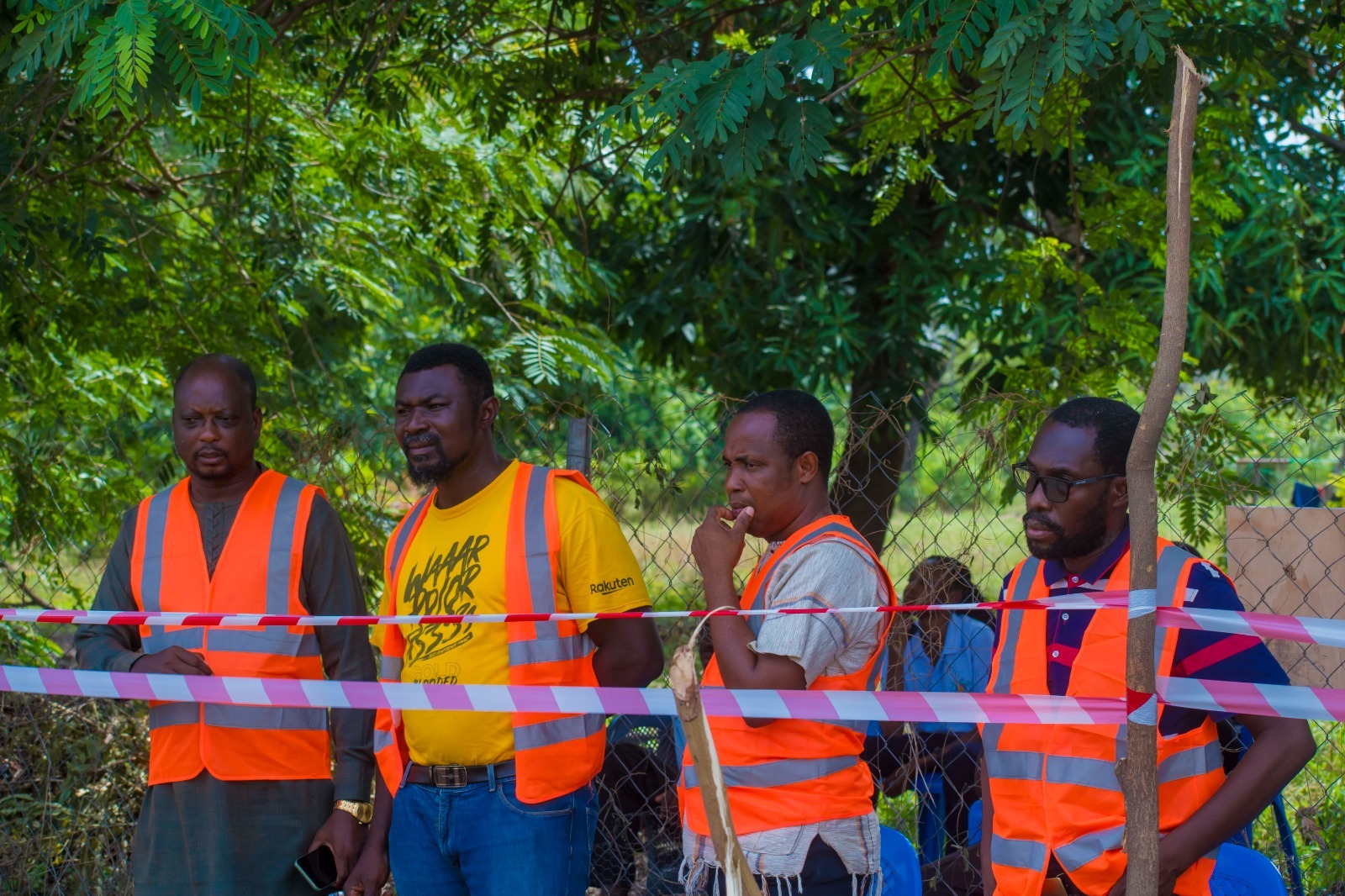
The successful organization of the competition is attributed to the leadership of CTVET, particularly Mr. Zakaria Sulemana, and the funding partner, UNESCO–BEAR III Project. Speaking at the event, the Technical Delegate for WorldSkills Ghana, Richard Okoampa-Larbi emphasized that the competition forms part of a broader national strategy to strengthen competency-based training in agriculture, promote industry relevance, and position Ghana’s agricultural skills development within the framework of global best practices.
The UNESCO–BEAR III Project’s support was highlighted as a crucial factor in ensuring that Ghanaian youth gain exposure to global best practices in technical and vocational education. The AgriSkills Competition also served as a platform for collaboration between educators, industry stakeholders, and policymakers, reinforcing the role of agriculture as a cornerstone of national development. By fostering innovation and excellence, WorldSkills Ghana continues to inspire young professionals to pursue careers in agriculture and contribute to the modernization of the sector.
The event generated strong interest among stakeholders and institutions, reinforcing the need to expand the initiative nationwide. Continued support from UNESCO and the Government of Ghana will be essential to scaling up its impact. Institutions were also encouraged to integrate mini skills competitions into their training systems to promote continuous practical learning and skills development.
The success of the event at Ejura Agric College marks another milestone in Ghana’s journey toward advancing technical and vocational education, with agriculture at the forefront of skills development for sustainable growth. This maiden competition has laid a solid foundation for future editions and contributes to positioning Ghana’s TVET system to meet the demands of modern agriculture and global skills expectations.